Skip to content
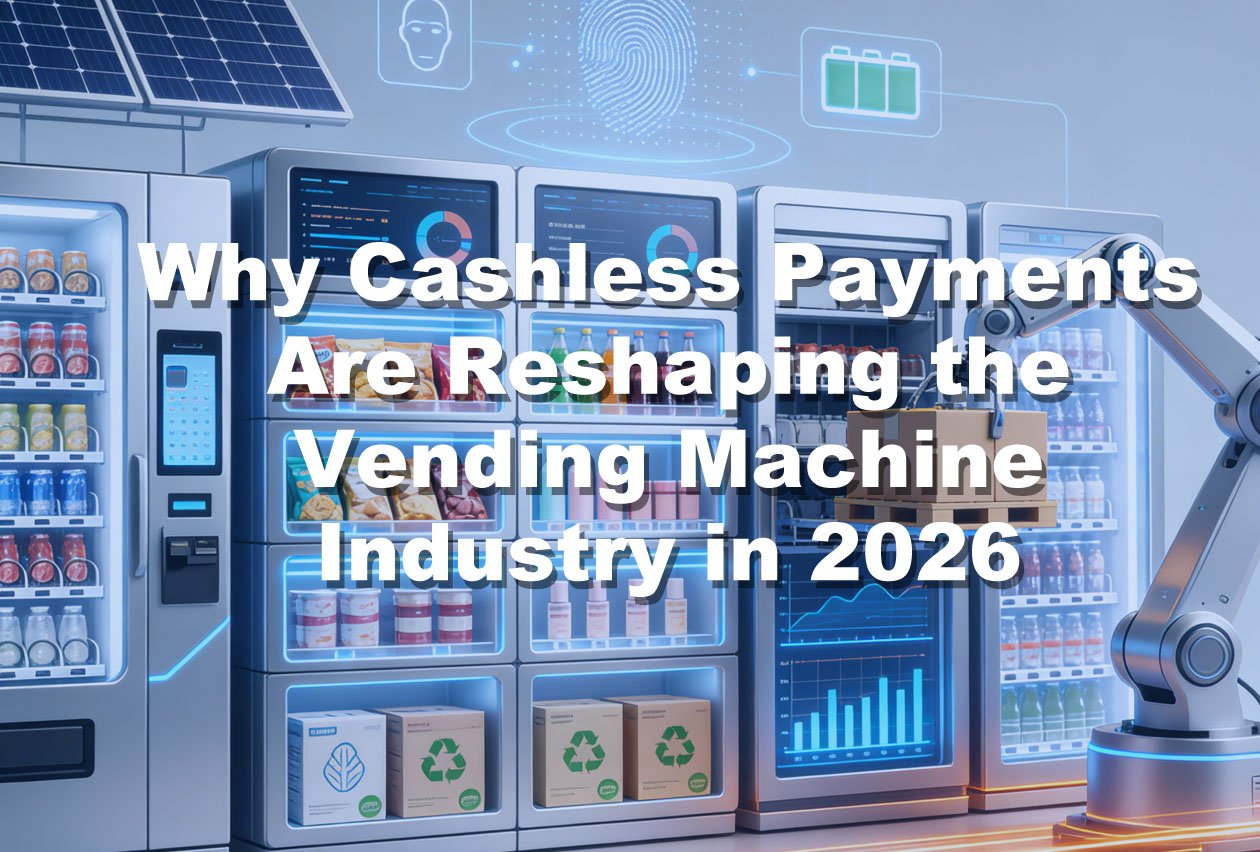
The vending machine industry has entered a new era where convenience is no longer optional—it is expected.
In 2026, one of the biggest transformations in automated retail is the rapid adoption of cashless payment systems. Consumers increasingly prefer digital transactions, and self-service vending machines are evolving to meet those expectations.
What was once a simple coin-and-bill business is now becoming a fast, connected, and frictionless retail experience powered by contactless technology.
For vending operators, cashless payments are no longer just an upgrade. They are becoming essential for competitiveness, customer experience, and long-term profitability.
This article explores why cashless payments are reshaping the vending machine industry and how operators can benefit from the transition.
Consumer Behavior Has Changed
The biggest reason behind the rise of cashless vending is simple:
👉 Consumers are carrying less cash.
Modern customers increasingly rely on:
- Contactless bank cards
- Mobile wallets
- Digital payment apps
- Wearable payment devices
People now expect fast and seamless transactions everywhere—including vending machines.
If a machine only accepts cash, many customers simply walk away.
Convenience Is the Core of Automated Retail
The vending business is built around convenience.
Cashless systems improve convenience by allowing customers to:
- Pay instantly
- Avoid searching for coins or bills
- Complete transactions faster
This creates a smoother customer experience and increases the likelihood of purchase.
In automated retail, reducing friction directly impacts sales.
Cashless Payments Increase Revenue
One of the biggest reasons operators adopt digital payment systems is simple:
👉 Cashless vending machines usually generate more sales.
Why?
Because customers tend to:
- Spend more digitally
- Buy more frequently
- Make impulse purchases more easily
Research across the retail industry consistently shows that cashless transactions often increase average transaction value.
Higher Conversion Rates
Traditional vending often loses sales because:
- Customers lack exact change
- Machines reject bills
- People no longer carry cash
Cashless systems remove these barriers.
The result:
- More completed transactions
- Fewer abandoned purchases
- Better overall machine performance
Even small improvements in conversion rates can significantly increase long-term profitability.
Mobile Payments Are Becoming Standard
In 2026, mobile wallets are mainstream.
Consumers increasingly use:
- Apple Pay
- Google Pay
- Contactless NFC systems
Modern self-service vending machines must support these payment methods to stay competitive.
Machines without mobile payment support may appear outdated to younger consumers.
Cashless Technology Improves Customer Experience
Customer experience is now one of the most important competitive advantages in automated retail.
Cashless systems improve experience through:
- Faster checkout
- Simpler interactions
- More reliable transactions
- Reduced frustration
Convenience encourages repeat usage and stronger customer loyalty.
Data Collection Creates Operational Advantages
Cashless systems also provide valuable business intelligence.
Operators can track:
- Sales trends
- Purchase timing
- Popular products
- Transaction behavior
This data helps improve:
- Inventory planning
- Product selection
- Pricing strategies
- Operational efficiency
In modern vending, data has become one of the industry’s most valuable assets.
Reduced Cash Handling Improves Efficiency
Cash management creates operational challenges.
Traditional cash-based vending requires:
- Coin collection
- Bill handling
- Manual reconciliation
- Increased service visits
Cashless systems reduce much of this workload.
Benefits include:
- Lower labor requirements
- Faster accounting processes
- Reduced theft risk
- Improved operational efficiency
Security Benefits of Cashless Systems
Cashless vending can improve security in several ways.
Less physical cash onsite means:
- Reduced theft risk
- Lower vandalism motivation
- Safer machine servicing
Digital transactions also create clearer financial records for operators.
Smart Vending and Cashless Integration
Cashless systems are closely connected to the rise of smart vending technology.
Modern vending machines increasingly combine:
- Cashless payments
- Cloud management
- Real-time analytics
- Remote monitoring
This creates a fully connected automated retail ecosystem.
Why Some Operators Still Resist Cashless Systems
Despite the advantages, some operators hesitate because of:
Upfront Costs
Payment hardware and software require investment.
Transaction Fees
Digital payments involve processing costs.
Technology Concerns
Some operators worry about:
- Connectivity issues
- System complexity
- Technical maintenance
However, the long-term revenue and operational benefits often outweigh these concerns.
The Real Cost of NOT Accepting Cashless Payments
In many locations, refusing digital payments now creates a competitive disadvantage.
Operators may lose:
- Younger consumers
- Impulse purchases
- High-value transactions
The industry is moving toward frictionless retail experiences, and customer expectations continue rising.
Cashless Payments Support Scalability
As vending businesses grow, digital systems become even more important.
Cashless ecosystems allow operators to:
- Monitor transactions remotely
- Analyze fleet-wide performance
- Automate reporting processes
This improves scalability and operational control.
Future Trends in Vending Payments
The next generation of vending payments may include:
- Biometric authentication
- Facial recognition payments
- Subscription-based vending access
- AI-powered personalized checkout experiences
Payment systems will continue becoming faster and more seamless.
The Role of AI and Data
AI-driven vending systems may eventually use payment data to:
- Personalize product recommendations
- Predict customer preferences
- Optimize promotions dynamically
The integration between payments and analytics will become increasingly important.
How Operators Should Prepare
To stay competitive in 2026 and beyond, operators should focus on:
Upgrading Legacy Machines
Older systems without cashless capability risk becoming obsolete.
Supporting Multiple Payment Methods
Flexibility improves customer convenience.
Investing in Smart Management Platforms
Connected systems improve operational visibility.
Monitoring Payment Data
Analytics help optimize revenue and efficiency.
Conclusion
Cashless payments are no longer just a trend in the vending machine industry—they are becoming the foundation of modern automated retail.
As consumer behavior shifts toward digital convenience, self-service vending machines must evolve to meet rising expectations for speed, flexibility, and frictionless transactions.
For operators, cashless systems offer:
- Higher revenue potential
- Better customer experience
- Improved operational efficiency
- Stronger scalability opportunities
The future of vending is connected, data-driven, and increasingly cashless—and businesses that adapt early will be better positioned for long-term success.