Skip to content
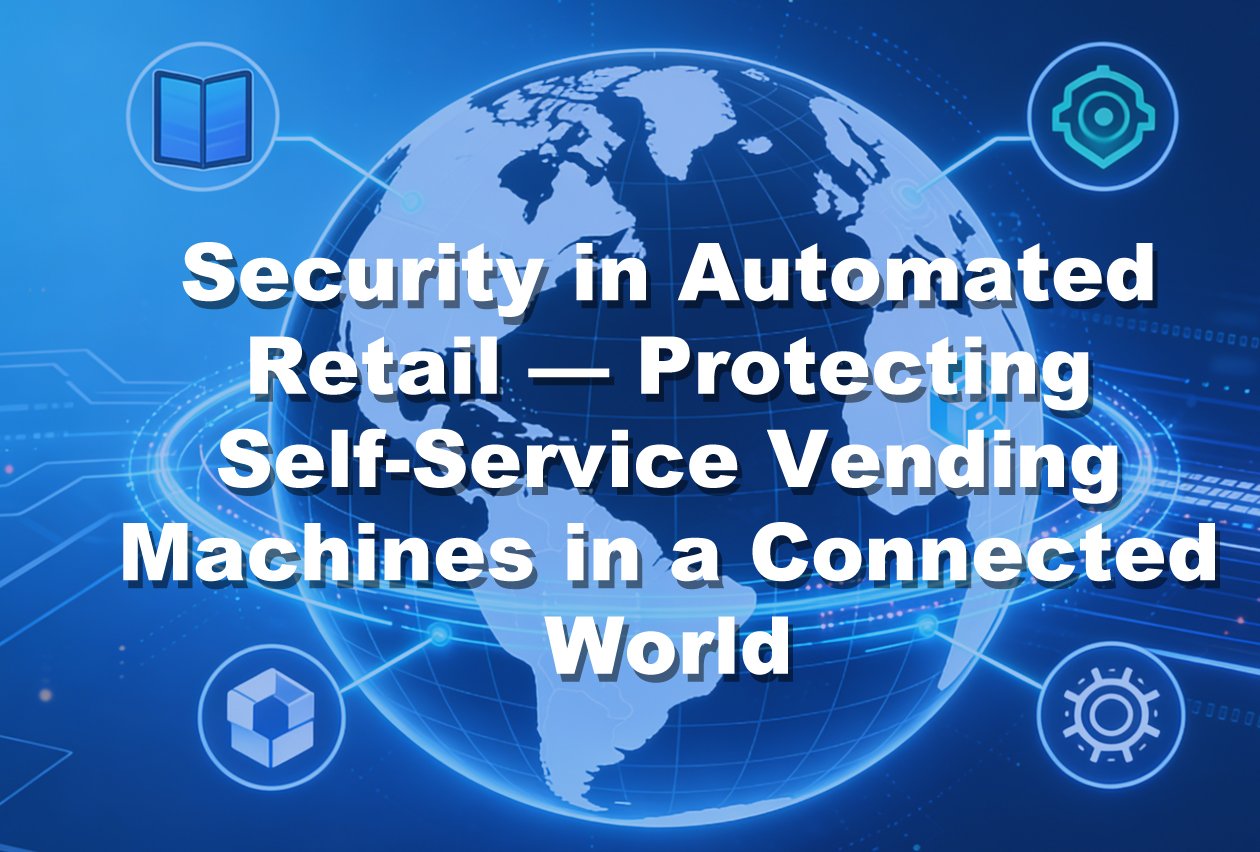
As automated retail continues to expand, security has become a critical priority for vending machine operators. In 2026, self-service vending machines are no longer isolated units—they are connected, data-driven systems that handle payments, store information, and operate in public environments.
This increased connectivity brings new opportunities, but also new risks. From physical theft to digital threats, operators must take a comprehensive approach to security management.
A secure vending operation not only protects revenue but also builds trust with customers and partners. In a competitive market, reliability and safety are essential components of long-term success.
Why Security Matters More Than Ever
Modern self-service vending machines handle multiple sensitive functions:
- Processing digital payments
- Storing transaction data
- Connecting to cloud systems
- Operating in unattended public spaces
This combination makes them a potential target for both physical and digital threats.
Without proper security measures, operators risk:
- Revenue loss
- Data breaches
- Operational disruptions
- Damage to brand reputation
Security is no longer optional—it is a fundamental part of automated retail operations.
Physical Security: Protecting the Machine
The first layer of protection is physical security.
Vending machines are often placed in open environments, making them vulnerable to theft or vandalism.
Key physical security measures include:
- Reinforced machine structures
- Secure locking systems
- Tamper-resistant components
- Strategic placement in visible areas
Well-lit, high-traffic locations tend to reduce the risk of physical incidents.
Operators should also consider working with property managers to ensure safe placement.
Cashless Systems Reduce Risk
One of the advantages of cashless payment systems is improved security.
By minimizing or eliminating cash inside machines, operators reduce:
- Theft risk
- Cash handling errors
- Collection logistics
Digital payments create a safer environment for both operators and customers.
Network Security and Data Protection
As vending machines become connected devices, cybersecurity becomes essential.
Operators must protect:
- Payment data
- User information
- System access
Key measures include:
- Encrypted data transmission
- Secure authentication protocols
- Regular software updates
- Firewalls and network protection
Protecting data is critical for maintaining customer trust and complying with regulations.
Monitoring and Alerts
Modern vending systems often include remote monitoring capabilities.
Operators can receive alerts for:
- Unauthorized access attempts
- Machine tampering
- Payment system anomalies
- Connectivity issues
Real-time monitoring allows for quick responses and reduces potential damage.
Access Control and Permissions
Limiting access to machines and systems is another important security measure.
Operators should implement:
- Role-based access controls
- Secure login systems
- Activity tracking for system changes
By controlling who can access and modify systems, operators reduce the risk of internal errors or misuse.
Software Updates and System Maintenance
Keeping systems up to date is essential for security.
Regular updates help:
- Fix vulnerabilities
- Improve system stability
- Enhance performance
Outdated software can become an easy target for cyber threats.
Maintenance and security go hand in hand in automated retail.
Location-Based Risk Management
Not all locations carry the same level of risk.
Operators should evaluate:
- Crime rates in the area
- Visibility and lighting conditions
- Presence of surveillance systems
- Accessibility of the machine
High-risk locations may require additional security measures or may not be suitable for deployment.
Building Customer Trust Through Security
Customers need to feel confident when using vending machines.
Security contributes to trust in several ways:
- Reliable payment processing
- Protection of personal data
- Consistent machine performance
When customers trust the system, they are more likely to use it repeatedly.
Challenges in Security Management
Operators may face several challenges when implementing security measures.
Cost Considerations
Advanced security systems can increase upfront and operational costs.
Technical Complexity
Cybersecurity requires knowledge and ongoing attention.
Evolving Threats
Security threats continue to evolve, requiring continuous updates and improvements.
Balancing Accessibility and Protection
Machines must remain easy to use while maintaining strong security.
Future Trends in Vending Security
Security in automated retail will continue to evolve alongside technology.
Emerging trends include:
- AI-based threat detection
- Biometric authentication
- Advanced encryption standards
- Integrated security platforms
These developments will help create safer and more resilient vending networks.
Conclusion
Security is a critical pillar of modern automated retail. As self-service vending machines become more connected and widely deployed, protecting them from physical and digital threats is essential.
Operators who invest in strong security strategies can safeguard revenue, protect customer data, and build long-term trust.
In 2026 and beyond, successful vending businesses will not only focus on growth and innovation—they will ensure that every machine operates in a secure and reliable environment.