Skip to content
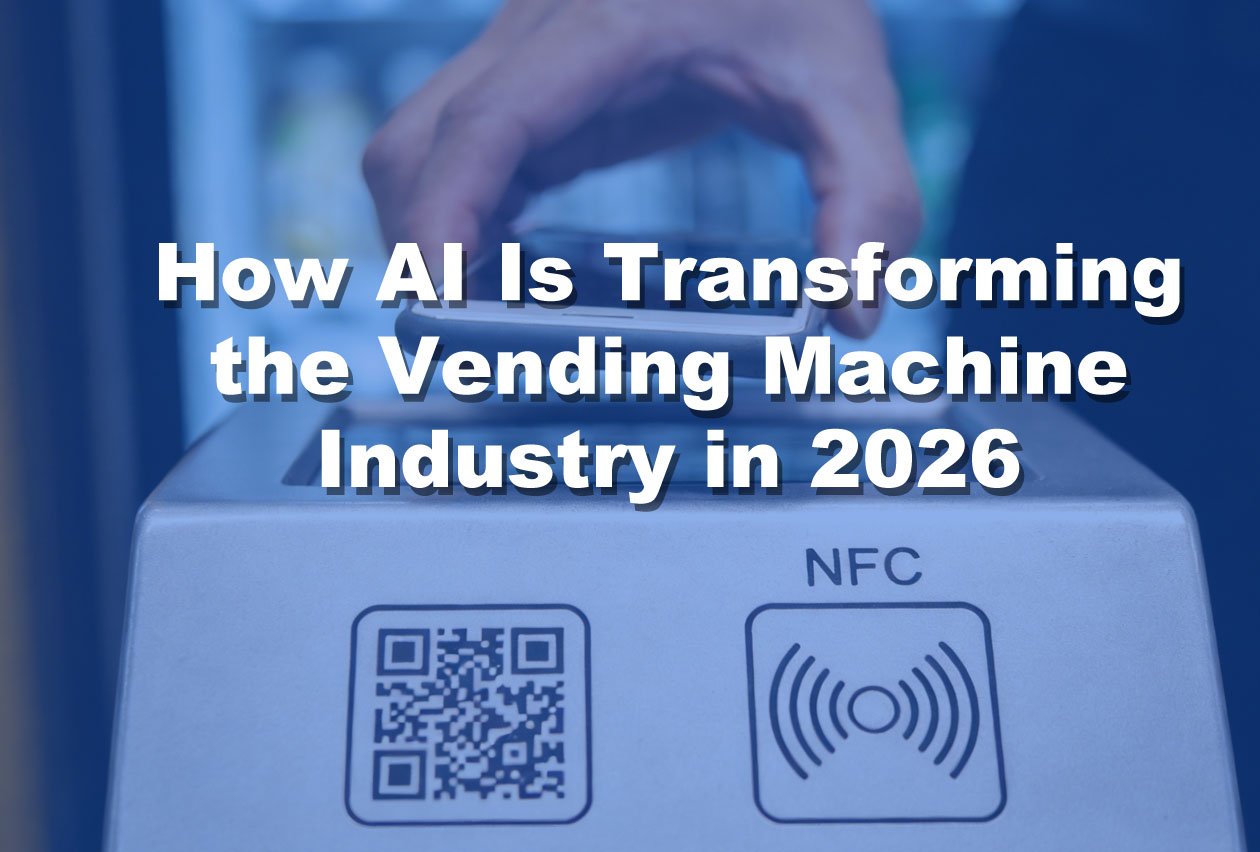
Artificial Intelligence (AI) is no longer a futuristic concept in the vending machine industry. In 2026, AI is rapidly becoming one of the most powerful technologies driving growth in automated retail.
From inventory optimization and predictive maintenance to customer behavior analysis and dynamic pricing, AI is helping vending operators make smarter decisions while reducing costs and improving profitability.
For businesses looking to stay competitive, understanding how AI is reshaping self-service vending machines is becoming increasingly important.
This article explores the most impactful AI applications in automated retail and why artificial intelligence is expected to play a major role in the future of the vending industry.
Why AI Matters in Automated Retail
Traditional vending operations often relied on:
- Manual inventory checks
- Operator experience
- Reactive maintenance
- Historical sales reports
While these methods can work, they often lead to inefficiencies.
AI changes the equation by allowing systems to:
- Analyze large amounts of data
- Detect patterns
- Predict future demand
- Automate decision-making
Instead of reacting to problems, operators can prevent them before they occur.
AI-Powered Inventory Optimization
One of the most valuable applications of AI is inventory management.
Inventory mistakes can be expensive:
- Out-of-stock products lose sales
- Overstocking increases waste
- Slow-moving products occupy valuable space
AI helps solve these challenges by analyzing:
- Historical sales data
- Seasonal trends
- Customer purchasing patterns
- Location-specific demand
The result is more accurate inventory planning and better product availability.
Predictive Maintenance Reduces Downtime
Machine downtime directly impacts revenue.
Traditionally, operators often discovered problems only after a machine stopped working.
AI-powered monitoring systems can identify warning signs before failures occur.
Examples include:
- Temperature irregularities
- Payment system issues
- Component wear patterns
- Connectivity problems
Predictive maintenance allows operators to address issues proactively, reducing downtime and protecting revenue.
Better Product Selection Through Data Analysis
Choosing the right products is critical to vending success.
AI can analyze:
- Product performance
- Sales velocity
- Customer preferences
- Purchase frequency
This allows operators to identify:
- Best-selling products
- Underperforming items
- Emerging trends
As a result, product assortments become more profitable and aligned with customer demand.
Understanding Customer Behavior
Modern vending machines generate valuable customer data.
AI helps transform that information into actionable insights.
Operators can better understand:
- Peak purchasing times
- Popular product combinations
- Location-specific preferences
- Consumer buying habits
This information helps businesses make smarter operational decisions.
Dynamic Pricing Opportunities
AI may also support dynamic pricing strategies.
Instead of using fixed pricing, future systems may adjust prices based on:
- Demand levels
- Inventory availability
- Time of day
- Local market conditions
This approach can help maximize both sales volume and profitability.
AI and Personalized Customer Experiences
Consumers increasingly expect personalized interactions.
Future AI-powered vending systems may offer:
- Product recommendations
- Personalized promotions
- Loyalty-based offers
- Mobile app integration
Personalization can improve:
- Customer satisfaction
- Repeat purchases
- Average transaction value
Route Optimization for Operators
Large vending networks require efficient logistics.
AI can improve service routes by analyzing:
- Inventory levels
- Traffic conditions
- Machine performance
- Restocking priorities
This helps operators:
- Reduce transportation costs
- Save time
- Improve operational efficiency
AI Improves Demand Forecasting
One of the biggest challenges in vending is predicting future demand.
AI systems can evaluate:
- Historical sales patterns
- Local events
- Seasonal changes
- Weather conditions
- Consumer behavior trends
Better forecasting leads to:
- Higher product availability
- Reduced waste
- Improved profitability
The Role of Computer Vision
Computer vision technology is becoming increasingly important in automated retail.
Potential applications include:
- Product recognition
- Inventory verification
- Customer interaction analysis
- Security monitoring
These capabilities can further automate operations and improve accuracy.
Security and Fraud Detection
AI can help identify unusual activity that may indicate:
- Theft attempts
- Payment fraud
- Machine tampering
- Operational anomalies
Advanced monitoring improves security while reducing financial losses.
AI and Cashless Payment Systems
Modern vending increasingly relies on digital payments.
AI can help optimize payment experiences by:
- Identifying transaction issues
- Improving fraud prevention
- Analyzing payment trends
- Enhancing customer convenience
As cashless transactions grow, AI will become more integrated into payment ecosystems.
Challenges of AI Adoption
Despite its benefits, AI implementation comes with challenges.
Initial Investment
Advanced systems often require:
- Software platforms
- Connectivity infrastructure
- Data integration
Data Quality
AI systems are only as effective as the data they receive.
Poor data quality can limit performance.
Technical Complexity
Operators may need additional training and support to fully utilize AI-driven tools.
Why AI Adoption Is Accelerating
Several industry trends are driving adoption:
- Increasing labor costs
- Growth of smart vending systems
- Expansion of cashless payments
- Greater demand for operational efficiency
- Advances in cloud computing
AI helps operators do more with fewer resources.
What AI Means for Small Operators
Many people assume AI only benefits large companies.
That is changing quickly.
Cloud-based platforms now make AI tools more accessible to:
- Small vending businesses
- Independent operators
- Regional vending networks
As technology costs decrease, AI adoption will continue expanding across the industry.
The Future of AI in Vending
Over the next decade, AI may become the central operating system of automated retail.
Future capabilities could include:
- Fully automated inventory planning
- Autonomous pricing optimization
- Advanced personalization
- Self-diagnosing machines
- Predictive business intelligence
The industry is moving toward increasingly intelligent and automated operations.
Conclusion
Artificial intelligence is transforming the vending machine industry by helping operators make smarter decisions, reduce costs, and improve customer experiences.
From inventory management and predictive maintenance to demand forecasting and personalization, AI is creating new opportunities across every aspect of automated retail.
As vending machines become more connected and data-driven, businesses that embrace AI technologies will be better positioned to scale efficiently and compete in the future of retail.
The future of vending is not just automated—it is intelligent.