Skip to content
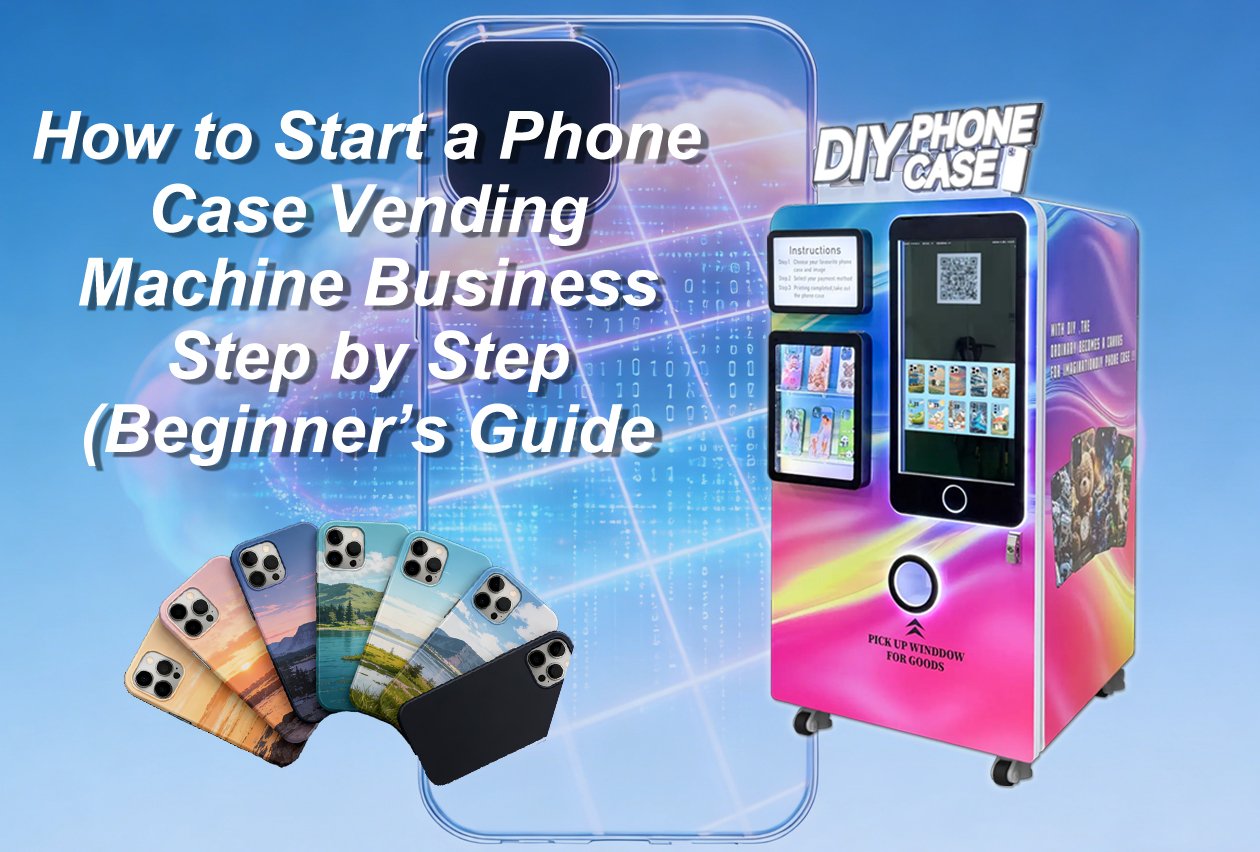
Starting a phone case vending machine business may seem complicated at first.
But once you break it down, the process is actually clear, structured, and repeatable.
The key is not guessing your way through it —
but following a step-by-step approach that reduces risk and increases your chances of success.
In this guide, I’ll walk you through exactly how to start, from idea to first sales.
Step 1: Understand the Business Model Clearly
Before investing, you need to understand how this business works.
The Core Idea
- Customers create or choose a design
- The machine prints the case instantly
- You earn from each sale
Why It Works
- High-margin product
- Instant gratification
- No staff required
👉 This is automated retail + customization
Step 2: Define Your Target Location Strategy
Location is everything in this business.
What You Should Look For
- High foot traffic
- People who stop and wait
- Relaxed environments
Best Starting Locations
- Shopping malls
- Entertainment centers
- Tourist spots
Pro Tip
Don’t just look for busy places.
👉 Look for engaging places
Step 3: Set Your Budget and Investment Plan
Be realistic from the start.
Estimated Startup Cost
- Machine: $6,000 – $12,000
- Shipping + setup: $1,000 – $3,000
- Materials: $300 – $800
👉 Total: $8,000 – $15,000
Why Planning Matters
A clear budget prevents:
- Overspending
- Poor decisions
- Unnecessary risk
Step 4: Choose the Right Machine Supplier
This step determines long-term success.
What to Look For
- Reliable technology
- Stable printing system
- Good support service
- Clear communication
What to Avoid
- Extremely cheap machines
- Vague specifications
- No after-sales support
👉 Your supplier is your long-term partner.
Step 5: Secure a Location Before Buying
This is one of the most important steps.
Why It Matters
Many beginners:
- Buy first
- Then struggle to find placement
Better Strategy
- Talk to location managers
- Confirm availability
- Understand rent or commission
👉 A good location reduces risk dramatically.
Step 6: Prepare Your Design Library
Designs directly impact your sales.
Must-Have Categories
- Photo upload
- Minimalist designs
- Trending styles
- Cute & fun
- Text customization
Why This Matters
Good design selection:
- Attracts attention
- Speeds up decisions
- Increases conversion
Step 7: Set Your Pricing Strategy
Pricing affects both sales and perception.
Recommended Range
👉 $20–$40 per case
Why This Works
- Matches customer expectations
- Reflects customization value
- Supports high margins
Tip
Avoid pricing too low — it reduces perceived value.
Step 8: Install and Test Your Machine
Before launching, test everything.
Checklist
- Full printing test
- Payment system check
- Interface testing
- Design selection review
Goal
Ensure a smooth first customer experience
Step 9: Launch and Observe Customer Behavior
Your first weeks are critical.
What to Watch
- How people interact
- Where they hesitate
- Which designs they choose
Why It Matters
Real-world behavior reveals:
- What works
- What needs improvement
Step 10: Optimize and Improve
This is where real growth happens.
Areas to Optimize
- Design selection
- Pricing
- Machine placement
- User experience
Example
Small changes can increase:
- Daily sales
- Conversion rate
- Customer satisfaction
👉 Optimization turns a machine into a business.
Step 11: Maintain and Monitor Performance
Consistency drives profit.
What You Should Do
- Refill materials regularly
- Clean the machine
- Fix issues quickly
- Monitor sales data
Result
Stable operation = stable income.
Step 12: Scale Your Business
Once your first machine performs well, scaling becomes easier.
How to Expand
- Add more machines
- Enter new locations
- Replicate successful setups
Key Advantage
👉 This business is highly scalable
Common Beginner Timeline
To give you a realistic picture:
Week 1–2
- Research + planning
- Contact locations
Week 3–4
- Order machine
- Prepare designs
Month 2
- Install machine
- Start operation
Month 2–4
- Optimize performance
- Reach steady income
Conclusion: Start Simple, Improve Fast
Starting a phone case vending machine business doesn’t require:
- Complex systems
- Large teams
- Advanced experience
What it requires is:
- Clear steps
- Smart decisions
- Consistent improvement
If you follow the process:
- Choose the right location
- Use reliable equipment
- Optimize your setup
You move from:
👉 “Starting a machine”
to
👉 Running a profitable business