Skip to content
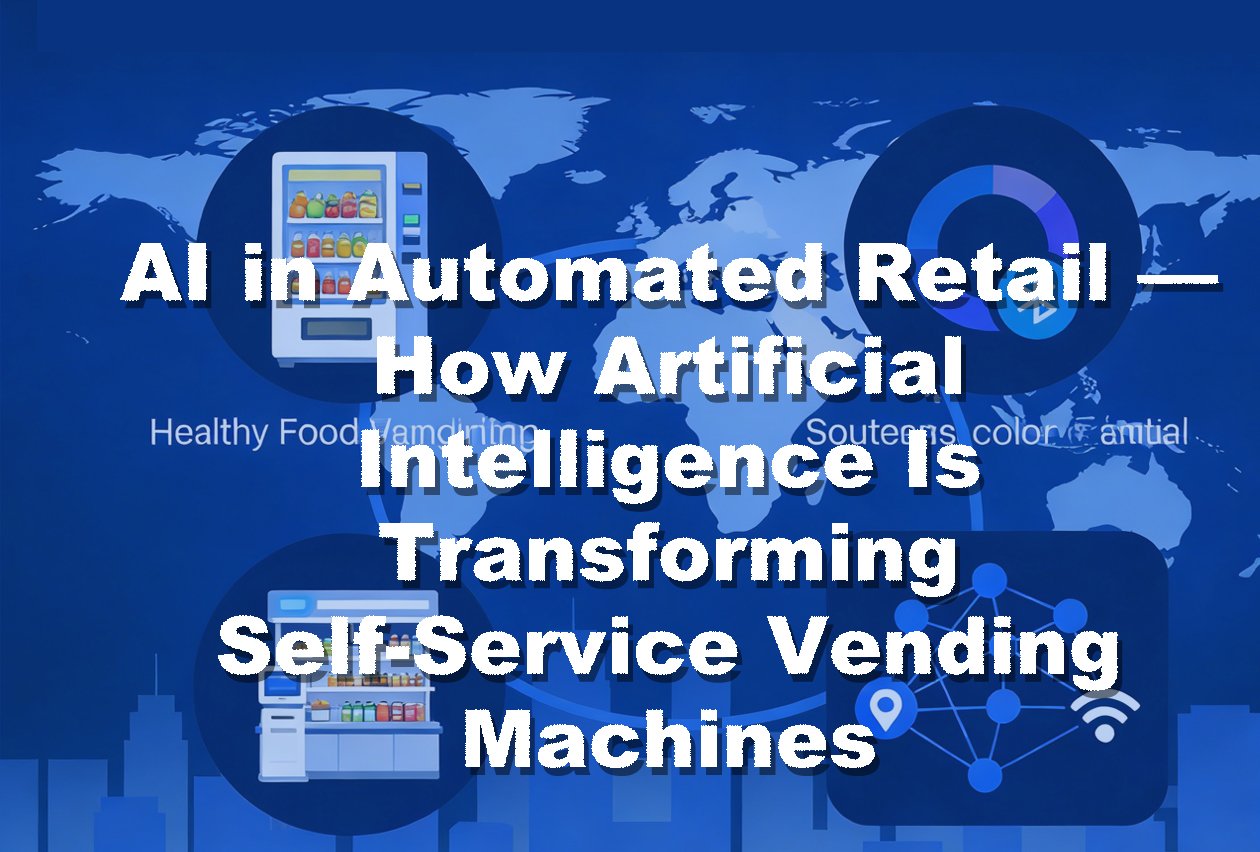
Artificial intelligence is rapidly becoming one of the most influential forces in the vending machine industry. In 2026, AI is no longer a futuristic concept—it is actively reshaping how self-service vending machines operate, optimize performance, and interact with consumers.
From smarter inventory management to personalized recommendations, AI is helping operators move beyond basic automation into intelligent retail systems. For businesses, this shift unlocks new levels of efficiency, profitability, and scalability.
Why AI Matters in Automated Retail
Traditional vending machines operate on fixed logic: predefined product selection, static pricing, and manual restocking decisions.
AI introduces adaptability.
With artificial intelligence, vending machines can:
- Analyze real-time data
- Learn from customer behavior
- Predict demand patterns
- Adjust operations dynamically
This transformation allows automated retail to become more responsive and efficient.
Key Applications of AI in Self-Service Vending Machines
1. Demand Forecasting
AI systems analyze historical sales data and external factors to predict future demand.
This helps operators:
- Reduce out-of-stock situations
- Minimize overstock and waste
- Improve inventory turnover
Accurate forecasting ensures machines are stocked with the right products at the right time.
2. Intelligent Product Recommendations
Modern vending machines can suggest products based on:
- Purchase history
- Time of day
- Location-specific trends
These recommendations increase the likelihood of additional purchases and improve overall customer experience.
3. Dynamic Pricing Optimization
AI enables pricing strategies that adjust automatically based on real-time conditions.
Factors include:
- Demand fluctuations
- Inventory levels
- Peak usage periods
This allows operators to maximize revenue while maintaining competitive pricing.
4. Predictive Maintenance
Machine downtime directly impacts revenue. AI helps prevent issues before they occur.
By analyzing machine performance data, AI systems can:
- Detect early signs of malfunction
- Schedule maintenance proactively
- Reduce unexpected breakdowns
This improves reliability and reduces operational costs.
5. Customer Behavior Analysis
AI tools collect and analyze data on how customers interact with vending machines.
Insights include:
- Most viewed products
- Purchase patterns
- Time-based behavior
Operators can use this data to refine product selection, pricing, and machine placement.
AI and Operational Efficiency
One of the biggest advantages of AI is its ability to streamline operations.
With AI-powered systems, operators can:
- Automate inventory decisions
- Optimize restocking routes
- Monitor multiple machines remotely
- Reduce manual intervention
This allows businesses to scale operations without proportionally increasing workload.
Enhancing the Customer Experience
AI is not just about efficiency—it also improves how customers interact with vending machines.
Modern systems can offer:
- Faster product discovery
- Personalized suggestions
- Seamless payment experiences
These improvements make vending machines feel more like digital retail platforms than traditional automated devices.
Data as the Foundation of AI
AI systems rely on large amounts of data to function effectively.
Key data sources include:
- Transaction history
- Inventory levels
- Machine performance metrics
- Location-based analytics
The more data available, the more accurate and valuable AI insights become.
For operators, building a strong data infrastructure is essential for leveraging AI successfully.
Challenges of AI Adoption
Despite its benefits, integrating AI into vending operations comes with challenges.
Initial Investment
AI-enabled systems often require higher upfront costs, including software, hardware, and integration.
Data Management
Collecting and managing large volumes of data requires proper systems and expertise.
Technical Complexity
Operators may need training or external support to fully utilize AI capabilities.
Privacy Considerations
As data collection increases, operators must ensure compliance with data protection regulations.
The Competitive Advantage of Early Adoption
Operators who adopt AI early gain several advantages:
- Better operational efficiency
- Higher profitability
- Improved customer satisfaction
- Stronger scalability
As more businesses enter automated retail, AI will become a key differentiator between average and high-performing operators.
Future Trends in AI and Vending
AI technology continues to evolve, and its role in automated retail will expand.
Future developments may include:
- Fully autonomous vending networks
- Advanced personalization systems
- Integration with mobile apps and digital ecosystems
- Real-time adaptive product selection
These innovations will further blur the line between vending machines and traditional retail.
Conclusion
Artificial intelligence is transforming self-service vending machines from simple automated devices into intelligent retail systems. By enabling data-driven decision-making, predictive analytics, and personalized experiences, AI is unlocking new opportunities for efficiency and growth.
For vending operators, adopting AI is no longer just an option—it is becoming a necessity for staying competitive in a rapidly evolving industry.
As automated retail continues to expand, AI will play a central role in shaping the future of how products are sold, managed, and experienced.