Skip to content
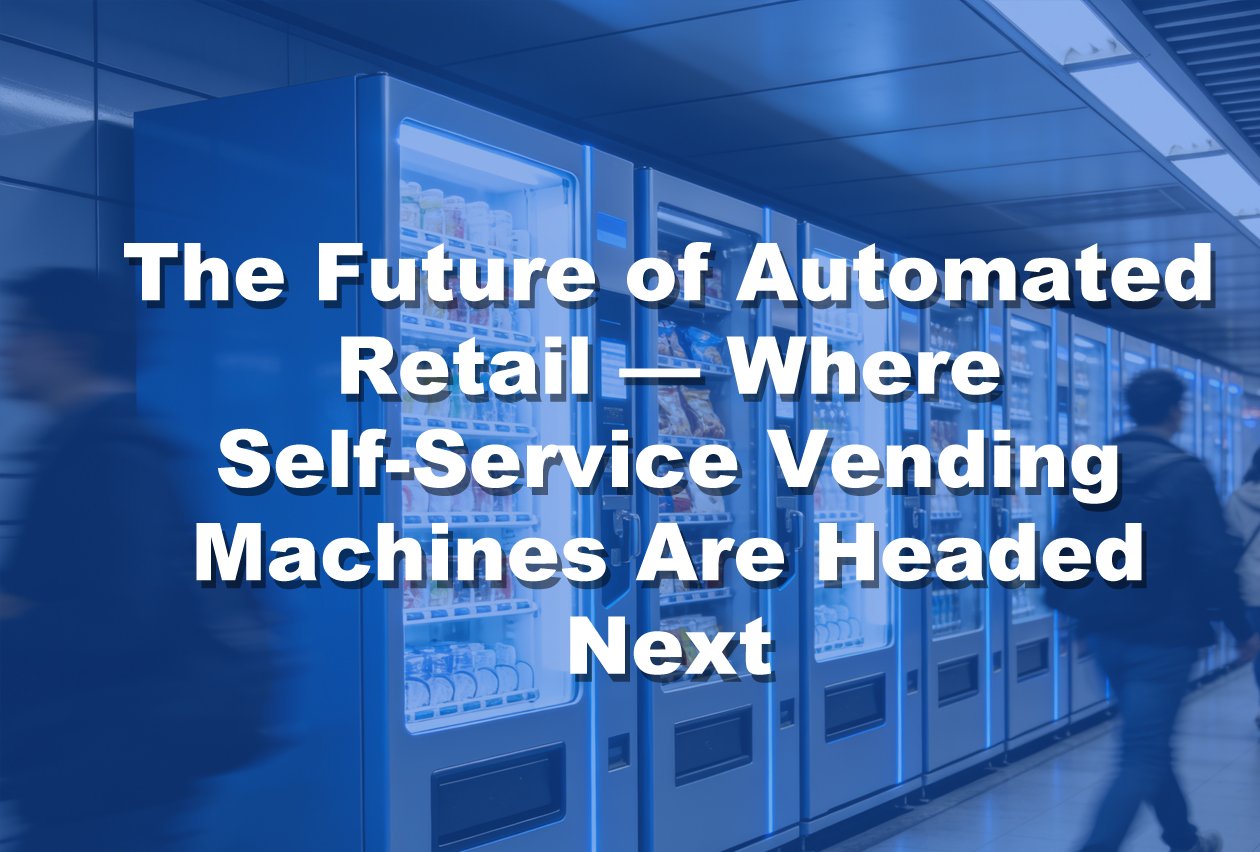
After exploring the key pillars of automated retail—from location strategy and product selection to AI, payments, and customer experience—it becomes clear that the vending machine industry is undergoing a fundamental transformation.
In 2026, self-service vending machines are no longer simple dispensing units. They are becoming intelligent, connected retail systems that combine technology, data, and user experience to deliver a new kind of commerce.
So what comes next?
This final article in the 30-day series looks ahead at the future of automated retail and the trends that will shape the next phase of growth.
From Machines to Retail Ecosystems
The most important shift is conceptual.
Vending machines are no longer standalone devices—they are part of larger ecosystems that include:
- Cloud-based management platforms
- Digital payment networks
- Data analytics systems
- Mobile and online integrations
This interconnected model allows operators to manage, optimize, and scale their businesses with unprecedented efficiency.
AI Will Drive Smarter Operations
Artificial intelligence will continue to play a central role in the evolution of vending.
Future AI capabilities will include:
- Real-time demand forecasting
- Automated product optimization
- Personalized recommendations
- Dynamic pricing adjustments
AI will move vending operations from reactive management to fully proactive systems that continuously improve performance.
Personalization Will Become Standard
Consumers increasingly expect personalized experiences across all forms of retail.
In automated retail, this may include:
- Customized product suggestions
- User-specific promotions
- Integration with mobile apps and digital profiles
Personalization will help vending machines deliver more relevant and engaging experiences, increasing both satisfaction and sales.
Seamless Payment Experiences
Payment technology will continue to evolve toward complete frictionless transactions.
Future developments may include:
- Biometric authentication
- Invisible or automatic payments
- Subscription-based purchasing models
The goal is simple: remove every possible barrier between the customer and the purchase.
Integration with Smart Cities
As urban infrastructure becomes more connected, vending machines will play a role in smart city ecosystems.
Potential integrations include:
- Public transportation systems
- Digital identity platforms
- Urban data networks
This will allow vending machines to become part of the daily digital environment rather than isolated retail points.
Expansion of Product Categories
The range of products offered through vending machines will continue to expand.
Future opportunities include:
- Higher-value goods
- On-demand customized products
- Niche and specialized items
As technology improves, the limitations of what can be sold through automated retail will continue to decrease.
Sustainability and Energy Efficiency
Sustainability is becoming an important consideration in all industries, including automated retail.
Future vending machines will focus on:
- Energy-efficient systems
- Sustainable materials
- Reduced waste through better inventory management
Operators who prioritize sustainability can align with consumer expectations and regulatory trends.
Enhanced Customer Experience
Customer experience will remain at the center of innovation.
Future improvements may include:
- Faster and more intuitive interfaces
- Augmented or interactive displays
- More engaging digital content
The goal is to make vending machines feel less like machines and more like modern retail experiences.
The Role of Data in Future Growth
Data will continue to be the foundation of automated retail.
Operators will rely on data to:
- Optimize every aspect of performance
- Identify new opportunities
- Improve decision-making
As analytics tools become more advanced, data-driven strategies will define the most successful businesses.
Challenges Ahead
While the future is promising, there are challenges to address.
Increasing Competition
As more businesses enter the market, differentiation will become more important.
Technology Investment
Keeping up with innovation requires ongoing investment in systems and infrastructure.
Regulatory Considerations
Data privacy, payment regulations, and public space usage will continue to evolve.
Operational Complexity
As systems become more advanced, managing them effectively will require expertise and strong processes.
Opportunities for Early Adopters
Operators who embrace new technologies and strategies early will gain a competitive advantage.
They will be better positioned to:
- Secure premium locations
- Build strong brand presence
- Develop efficient operations
- Scale more effectively
Early adoption often leads to long-term leadership in emerging markets.
Conclusion
The future of self-service vending machines is not just about automation—it is about transformation.
Automated retail is evolving into a dynamic, technology-driven industry that combines convenience, intelligence, and experience. For operators, this creates both opportunities and challenges.
Success in the coming years will depend on the ability to adapt, innovate, and leverage data effectively.
As this 30-day series concludes, one thing is clear:
self-service vending machines are no longer a niche solution—they are becoming a central part of the modern retail landscape.