Skip to content
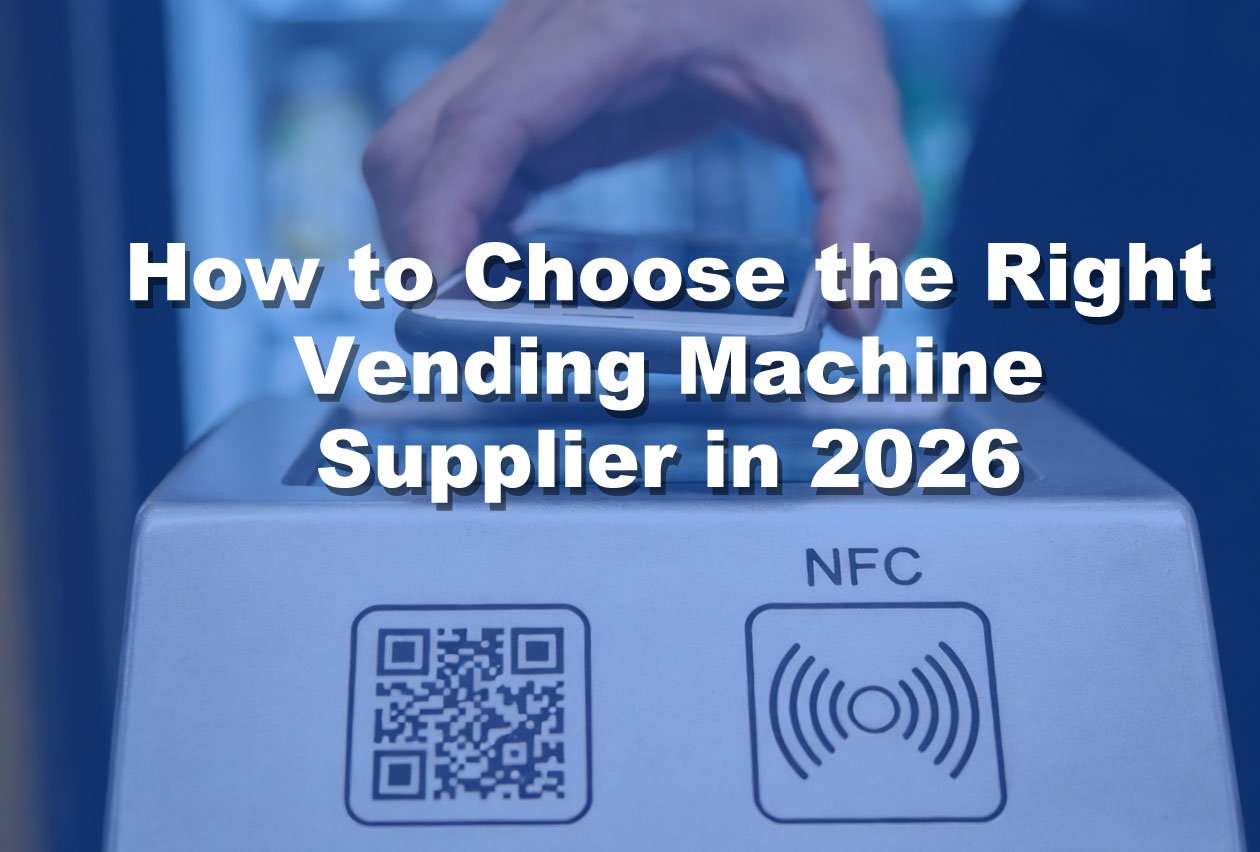
Starting or scaling a vending machine business is not only about finding great locations or choosing profitable products. One of the most important long-term decisions is selecting the right vending machine supplier.
In 2026, the automated retail industry is more competitive and technology-driven than ever. Suppliers now offer a wide range of machines, software systems, payment integrations, and customization options. Choosing the wrong partner can lead to operational problems, downtime, poor customer experience, and expensive maintenance issues.
Choosing the right supplier, however, can give your business a major advantage in reliability, scalability, and long-term profitability.
This guide explains what to look for in a vending machine supplier and how to avoid common mistakes that hurt new operators.
Why Your Supplier Matters More Than You Think
Many beginners focus only on machine price.
That’s a mistake.
Your supplier affects:
- Machine quality
- Technical support
- Payment system compatibility
- Maintenance reliability
- Future scalability
A low-cost machine from an unreliable supplier may become far more expensive over time due to downtime and repair costs.
The Modern Vending Industry Has Changed
Today’s self-service vending machines are no longer simple mechanical devices.
Modern machines may include:
- Smart inventory systems
- Cloud-based management
- Cashless payment integration
- Remote monitoring
- Interactive digital interfaces
This means suppliers are now technology partners—not just equipment sellers.
What Makes a Good Vending Machine Supplier?
1. Reliable Machine Quality
Reliability is critical.
A machine that breaks frequently:
- Loses sales
- Frustrates customers
- Increases maintenance costs
Look for suppliers with:
- Proven machine durability
- Stable system performance
- Strong manufacturing standards
2. Smart Technology Integration
In 2026, smart features are no longer optional.
Your supplier should support:
- Cashless payment systems
- Mobile wallet compatibility
- Remote monitoring
- Real-time inventory tracking
Operators who use smart systems can optimize operations far more efficiently.
3. Technical Support and After-Sales Service
This is one of the most overlooked factors.
Even high-quality machines eventually require:
- Maintenance
- Troubleshooting
- Software updates
- Replacement parts
A supplier with poor support can seriously disrupt your business.
Strong suppliers provide:
- Fast response times
- Clear technical assistance
- Available spare parts
- Ongoing service support
4. Scalability
Many operators start small but expand later.
Your supplier should support future growth through:
- Consistent machine availability
- Expandable software systems
- Fleet management capabilities
Switching suppliers later can create operational complications.
5. Customization Options
Branding and user experience are becoming increasingly important.
Some suppliers offer:
- Custom machine wraps
- Digital display customization
- Brand integration options
Customization helps operators create stronger market presence and customer recognition.
6. Transparent Pricing
Low upfront pricing can be misleading.
Always evaluate:
- Machine cost
- Software fees
- Payment system charges
- Maintenance expenses
- Warranty coverage
The cheapest supplier is not always the most cost-effective long term.
7. Payment System Compatibility
Payment flexibility directly impacts revenue.
Your supplier should support:
- Contactless payments
- Credit/debit cards
- Mobile wallets
- Multiple payment providers
Cashless capability is essential in modern automated retail.
8. Remote Management Software
Cloud-based management systems are transforming vending operations.
Good suppliers provide platforms that allow operators to:
- Monitor sales remotely
- Track inventory
- Receive maintenance alerts
- Analyze performance data
These systems improve efficiency and reduce operational costs.
Questions to Ask Before Choosing a Supplier
Before purchasing, ask:
Machine Reliability
- What is the expected uptime rate?
Warranty
- What does the warranty cover?
- How long is coverage?
Technical Support
- How quickly can support respond?
- Are replacement parts available locally?
Software Access
- Is remote management included?
- Are there recurring subscription fees?
Payment Integration
- Which payment systems are supported?
Scalability
- Can the system manage multiple machines easily?
Common Supplier Mistakes Beginners Make
Mistake 1: Choosing Based Only on Price
Cheap machines often create:
- More repairs
- More downtime
- Worse customer experience
Mistake 2: Ignoring Software Capability
Without data and remote monitoring, scaling becomes difficult.
Mistake 3: Overlooking Support Quality
Poor technical support can severely impact operations.
Mistake 4: Not Thinking Long-Term
A supplier should support future business growth—not just initial setup.
Domestic vs International Suppliers
Both options have advantages.
Domestic suppliers may offer:
- Faster support
- Easier communication
- Local compliance knowledge
International suppliers may offer:
- Lower manufacturing costs
- Wider customization options
- Larger production capacity
The best choice depends on your business priorities.
How Smart Operators Evaluate Suppliers
Experienced operators focus on:
- Reliability over low price
- Long-term operational efficiency
- Technology integration
- Support responsiveness
- Scalability potential
They treat supplier selection as a strategic business decision—not just a purchase.
The Future of Supplier Relationships
As vending technology evolves, suppliers will become even more important.
Future trends include:
- AI-driven machine management
- Advanced analytics systems
- Predictive maintenance
- Deeper software integration
Operators will increasingly depend on suppliers for ongoing technological innovation.
Building Long-Term Partnerships
The best vending businesses often build long-term relationships with trusted suppliers.
Strong partnerships can provide:
- Better pricing over time
- Faster support
- Early access to new technologies
- Easier expansion opportunities
A good supplier relationship can become a competitive advantage.
Conclusion
Choosing the right vending machine supplier in 2026 is about far more than buying equipment.
The right supplier helps operators:
- Reduce downtime
- Improve customer experience
- Scale efficiently
- Optimize profitability
In today’s automated retail industry, success depends not only on where machines are placed—but also on who supports the technology behind them.
For operators planning long-term growth, selecting the right supplier may be one of the most important business decisions they make.