Skip to content
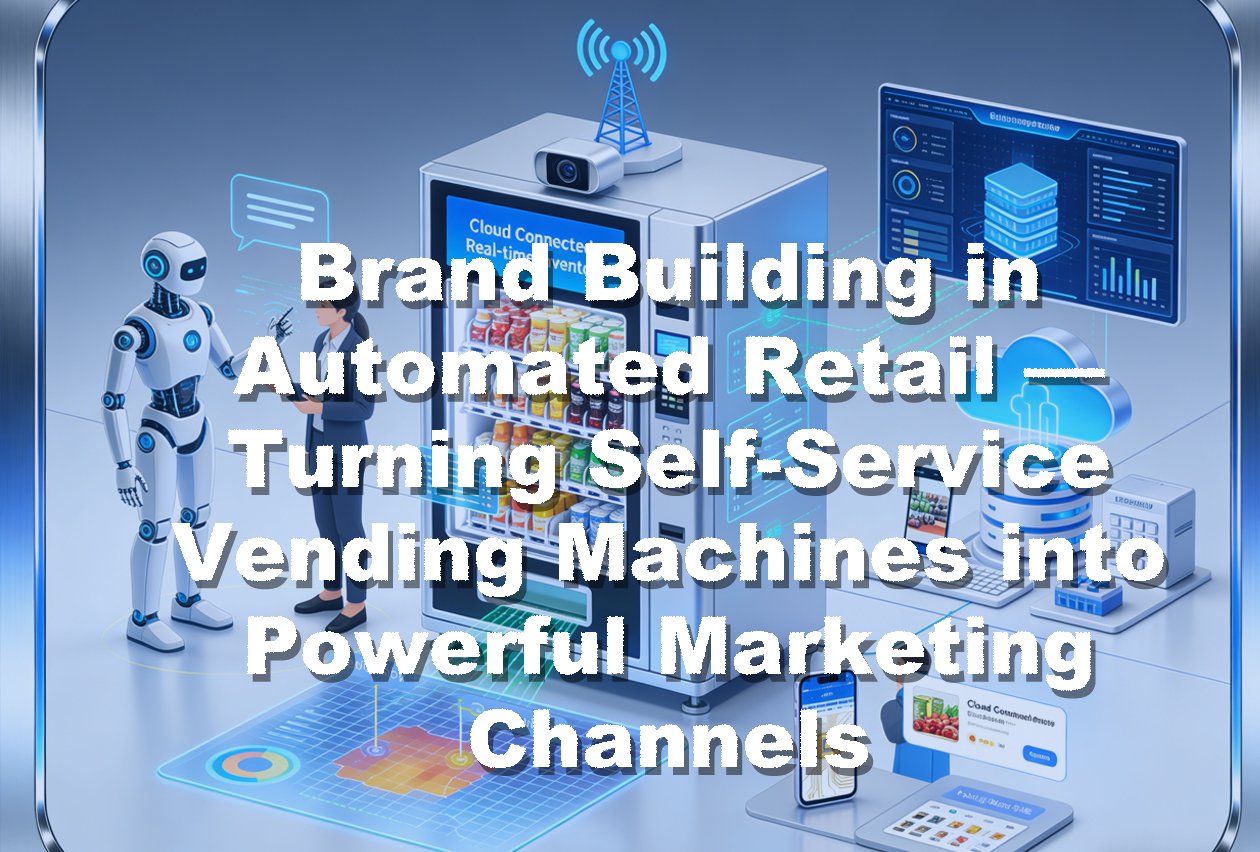
In the past, vending machines were purely transactional. They existed to sell products quickly and efficiently, with little attention given to brand identity or customer perception.
In 2026, that has changed dramatically.
Self-service vending machines are now becoming brand touchpoints—physical extensions of a company’s identity that influence how customers perceive products and services. For operators, distributors, and product brands, this shift opens a new opportunity: using automated retail not just to sell, but to build brand awareness and loyalty.
Why Branding Matters in Vending
In crowded retail environments, visibility alone is not enough. Customers are exposed to countless products and advertisements every day.
Branding helps vending machines:
- Stand out visually
- Communicate value instantly
- Build trust with customers
- Encourage repeat purchases
A strong brand presence can turn a vending machine from a generic device into a recognizable and memorable retail experience.
The Evolution from Utility to Experience
Traditional vending machines focused on functionality—dispensing products quickly with minimal interaction.
Modern self-service vending machines focus on experience.
This includes:
- Visual design and aesthetics
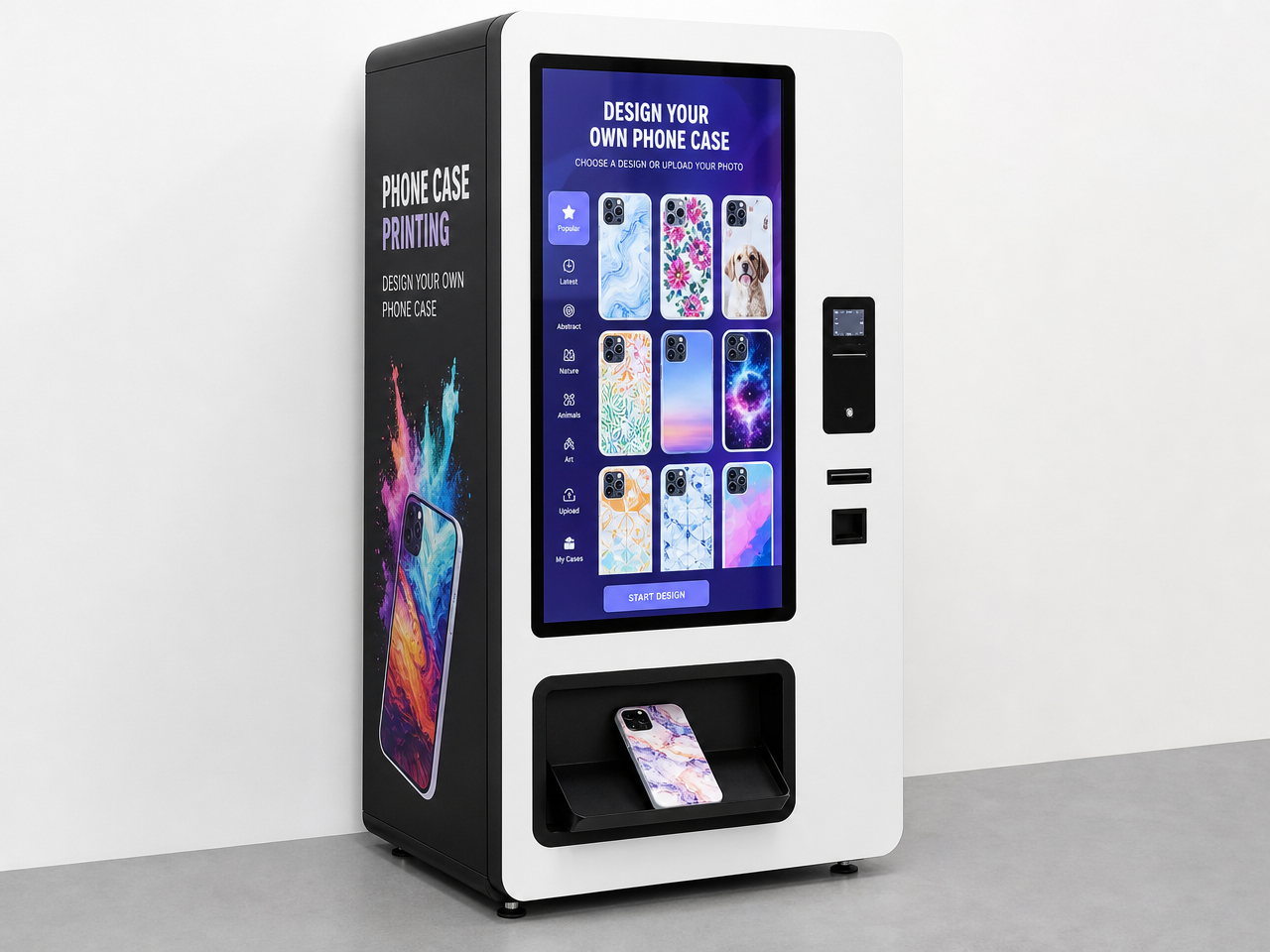
- Interactive screens
- Consistent brand messaging
- Engaging user interfaces
Customers are more likely to engage with machines that feel modern, professional, and aligned with recognizable brands.
Key Elements of Effective Vending Branding
1. Visual Identity
A consistent visual identity is essential.
This includes:
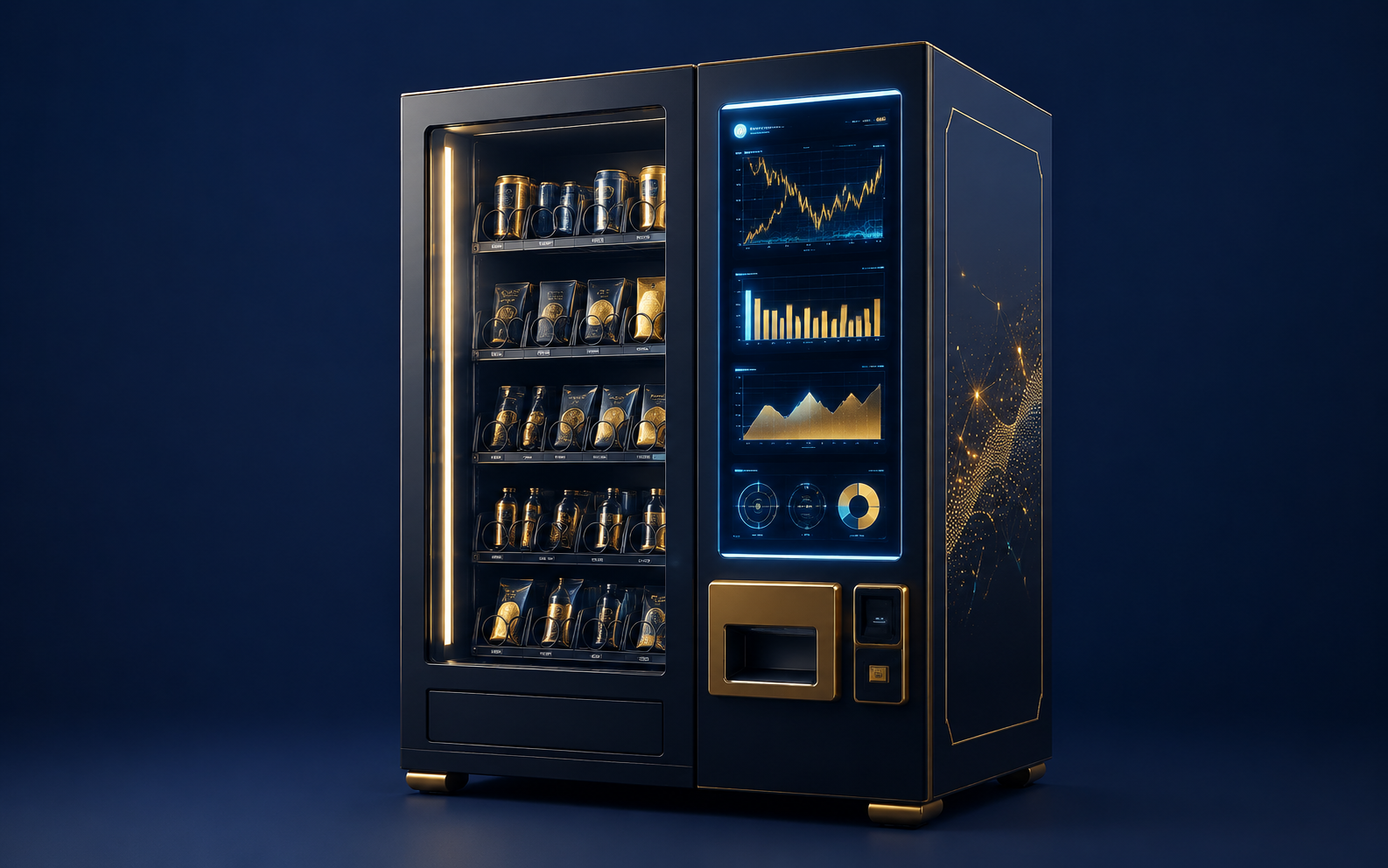
- Color schemes
- Logos
- Typography
- Overall design style
Machines that reflect a clear brand identity are easier for customers to recognize and remember.
2. Digital Content and Messaging
Many vending machines now include digital screens that can display:
- Promotions
- Product information
- Brand storytelling
- Interactive content
These screens allow brands to communicate directly with customers at the point of purchase.
3. Product Presentation
How products are displayed affects how they are perceived.
Well-organized, visually appealing product layouts reinforce brand quality and professionalism.
4. User Experience
Branding is not just visual—it is experiential.
A smooth, intuitive purchasing process reflects positively on the brand, while a confusing or slow experience can damage perception.
Turning Vending Machines into Marketing Channels
Self-service vending machines are uniquely positioned as point-of-sale marketing platforms.
Unlike traditional advertising, they interact with customers at the exact moment of purchase.
This creates opportunities for:
- Product launches
- Cross-promotions
- Limited-time offers
- Brand campaigns
Because customers are already engaged, messaging delivered through vending machines can be highly effective.
The Role of Location in Brand Exposure
Placement plays a major role in branding impact.
High-visibility locations such as:
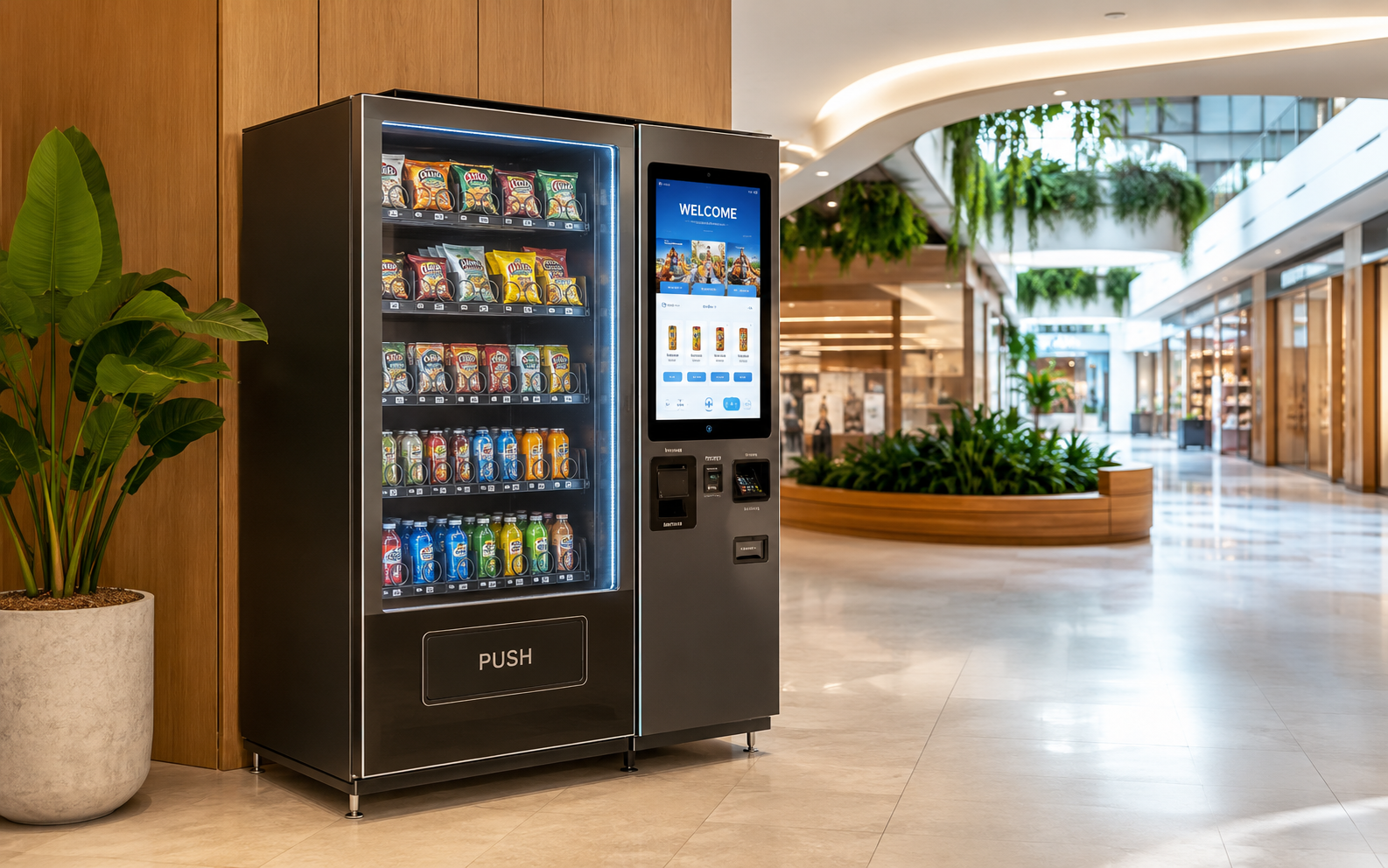
- Shopping centers
- Transportation hubs
- office buildings
- entertainment venues
allow vending machines to function as mini retail billboards.
The combination of physical presence and digital interaction amplifies brand exposure.
Building Customer Trust Through Consistency
Consistency is key to strong branding.
Customers should experience the same:
- Visual identity
- Product quality
- User interface
- Service reliability
across all machines in a network.
Consistent branding builds familiarity, which leads to trust and repeat usage.
Data-Driven Branding Strategies
Modern vending machines provide data that can support branding efforts.
Operators can analyze:
- Customer engagement patterns
- Product preferences
- Interaction with digital content
These insights help brands refine messaging and improve the effectiveness of campaigns.
Partnerships Between Operators and Brands
Branding opportunities often involve collaboration between vending operators and product brands.
Partnerships may include:
- Co-branded machines
- Sponsored placements
- Exclusive product offerings
- Advertising agreements
These collaborations create additional revenue streams while enhancing brand visibility.
Challenges in Vending Branding
While branding offers significant benefits, it also presents challenges.
Cost of Customization
Branded machine designs and digital content require investment.
Maintaining Consistency
Managing branding across multiple locations can be complex.
Balancing Function and Design
Machines must remain practical and user-friendly while delivering strong visual impact.
Future Trends in Vending Branding
Branding in automated retail will continue to evolve.
Emerging trends include:
- Personalized on-screen experiences
- Integration with mobile apps and loyalty programs
- Dynamic content based on location or time
- Interactive and immersive digital displays
As technology advances, vending machines will become even more powerful branding tools.
Conclusion
Self-service vending machines are no longer just sales devices—they are brand platforms. By combining visual design, digital content, and user experience, automated retail can deliver powerful marketing impact at the point of purchase.
Operators and brands that invest in strong branding strategies can differentiate themselves, build customer loyalty, and create new revenue opportunities.
In 2026 and beyond, success in vending will depend not only on what you sell—but on how your brand is experienced.