Skip to content
When it comes to phone case vending machines, many operators focus on:
- Location
- Pricing
- Machine quality
All of these matter.
But there’s one factor that directly affects conversion rate — and is often underestimated:
👉 Design selection
Because before a customer decides to buy, they go through one simple moment:
They look at the screen.
And in that moment, the designs either:
- Attract them
or - Lose them
In this article, we’ll break down which phone case designs actually sell, why they work, and how to optimize your design library for higher daily sales.
1. Why Design Matters More Than You Think
A phone case is not just a protective product.
It’s a personal statement.
Customers choose designs that reflect:
- Identity
- Emotion
- Style
- Memory
If your design selection feels outdated or generic, customers won’t engage — no matter how good your location is.
2. The 5 Best-Selling Design Categories
Let’s start with what works consistently across different locations.
1. Personal Photo Designs (Top Performer)
This is the strongest category.
Customers love to:
- Upload selfies
- Print couple photos
- Use family pictures
- Capture travel moments
Why It Works
- Emotional value is high
- Completely unique
- Cannot be replaced by online shopping
Pricing Advantage
Customers are more willing to pay:
👉 $25–$40 per case
Because it feels personal.
3. Minimalist Aesthetic Designs
Clean, simple designs are always in demand.
Examples include:
- Neutral colors
- Soft gradients
- Subtle patterns
- Elegant typography
Why It Works
- Matches modern trends
- Appeals to a wide audience
- Feels premium
Minimalism often converts well in:
- Shopping malls
- Airports
- Urban locations
4. Trend-Based and Viral Styles
Design trends change quickly — and customers notice.
Popular examples:
- Social media-inspired graphics
- Meme-style visuals
- Seasonal themes
- Pop-style illustrations
Why It Works
- Feels fresh and current
- Attracts younger audiences
- Encourages impulse buying
Key Tip
👉 Update regularly
Outdated designs reduce engagement immediately.
5. Cute & Cartoon Designs
This category performs especially well among:
- Teenagers
- Young adults
- Gift buyers
Common themes:
- Animals
- Characters
- Playful illustrations
- Bright colors
Why It Works
- Visually attractive
- Easy decision-making
- Strong emotional appeal
6. Text-Based Custom Designs
Simple but powerful.
Customers can create:
- Names
- Quotes
- Short messages
- Personal slogans
Why It Works
- Fast to create
- Highly personalized
- Works for gifts
7. Travel & Location-Themed Designs
Especially effective in:
- Airports
- Tourist areas
Examples:
- City names
- Landmark illustrations
- Travel icons
Why It Works
- Connects with memory
- Functions as a souvenir
- Appeals to visitors
8. What Designs Don’t Sell (Common Mistakes)
Knowing what doesn’t work is just as important.
1. Overly Complicated Designs
Too many elements confuse customers.
2. Outdated Styles
Design trends change fast.
Old styles reduce trust and interest.
3. Low-Quality Graphics
Poor resolution or color quality damages perceived value.
4. Limited Choices
Too few options reduce engagement.
Too many random options create confusion.
Balance matters.
9. How to Structure Your Design Library
A well-organized design system improves both:
- User experience
- Sales performance
Recommended Structure
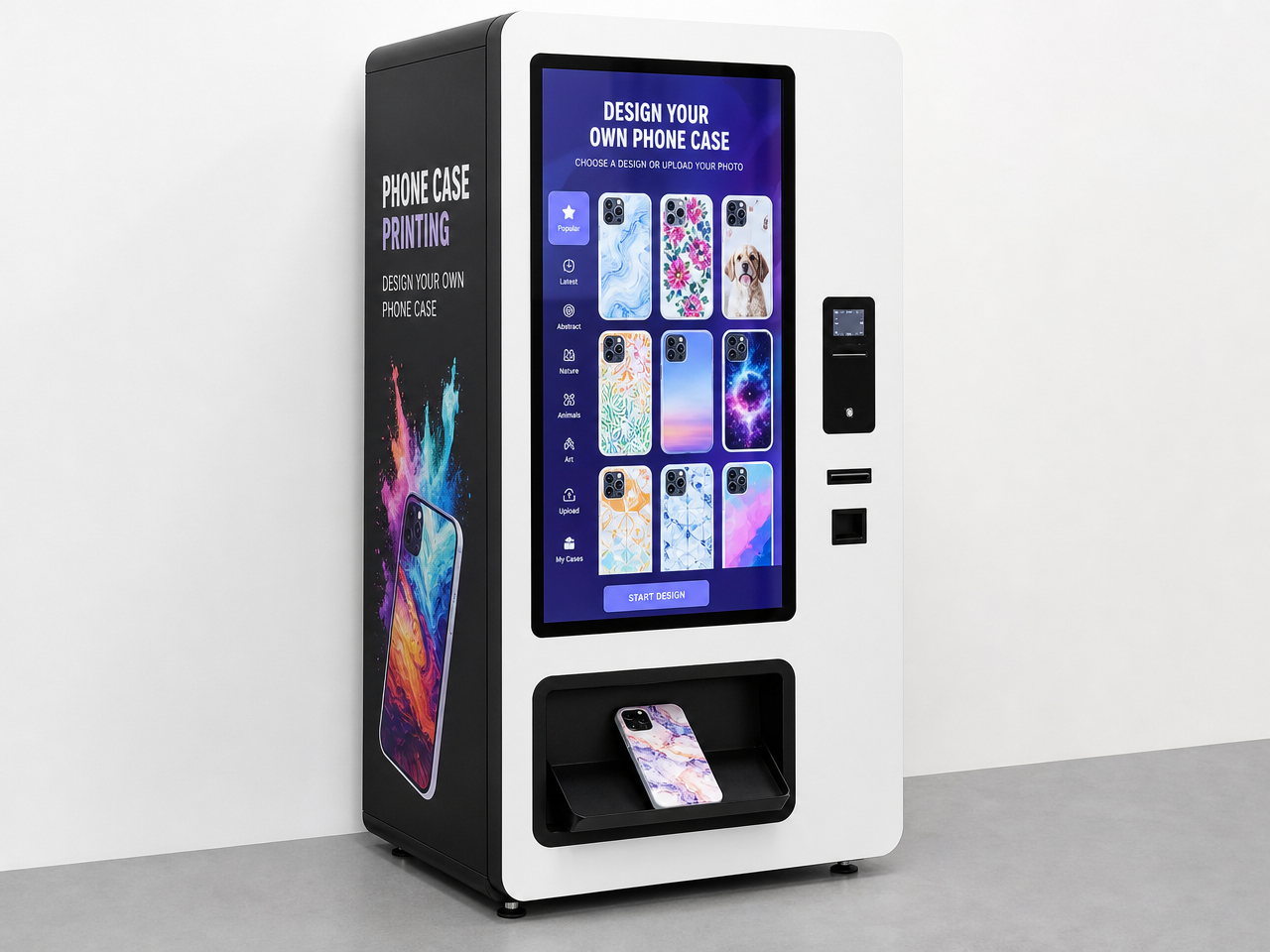
Group designs into clear categories:
- Upload Your Photo
- Minimalist
- Trending
- Cute & Fun
- Text & Quotes
- Travel & Local
Why This Works
Customers can quickly:
- Understand options
- Navigate easily
- Make faster decisions
Speed improves conversion.
10. The Role of User Experience in Design Selection
Even great designs won’t sell if the process is complicated.
Key UX Factors
- Fast loading interface
- Simple customization steps
- Clear preview before printing
- Easy navigation
Ideal Experience Flow
- Customer sees machine
- Starts interaction
- Selects category
- Chooses or uploads design
- Confirms and pays
The smoother this flow, the higher your conversion rate.
11. How Often Should You Update Designs?
Design updates are not optional.
They are part of the business.
Recommended Frequency
- Minor updates: every 2–4 weeks
- Major refresh: every 2–3 months
Why It Matters
Regular updates:
- Keep the machine fresh
- Encourage repeat customers
- Match current trends
12. How Design Impacts Daily Revenue
Let’s make it practical.
Scenario Comparison
Same location, same machine:
- Weak design selection → 6 sales/day
- Strong design selection → 10–15 sales/day
What Changed?
Not traffic.
Not price.
👉 Just design quality and relevance.
That’s how powerful this factor is.
Conclusion: Design Is Your Silent Salesperson
A phone case vending machine doesn’t have staff.
It doesn’t explain.
It doesn’t persuade.
👉 Design does that job.
The right designs:
- Attract attention
- Create emotional connection
- Simplify decisions
- Increase pricing acceptance
If you want to improve performance without changing location or cost:
👉 Start with your design library.
Because in this business,
what customers see is what they buy.