Skip to content
The vending machine industry is no longer just about selling standardized products. In 2026, one of the most important shifts in automated retail is the rise of customization.
Self-service vending machines are evolving from simple distribution points into interactive platforms that allow consumers to personalize what they buy. This transformation is opening entirely new revenue opportunities for operators, brands, and distributors.
From product customization to personalized experiences, vending machines are becoming more engaging, more flexible, and significantly more profitable.
Why Customization Is Becoming a Key Trend
Consumer expectations have changed dramatically in recent years. Standardized products are no longer enough to attract attention—especially in competitive retail environments.
Today’s consumers want:
- Unique products
- Personalized experiences
- Instant gratification
- Interactive purchasing processes
Customization meets all of these expectations while also increasing perceived value.
For vending operators, this means higher margins and stronger customer engagement.
What Customization Looks Like in Automated Retail
Customization in self-service vending machines can take several forms, depending on the technology and product category.
1. Product Personalization
Customers can select options such as:
- Colors
- Styles
- Add-ons or features
- Packaging variations
This transforms the vending experience from a simple transaction into a creative process.
2. On-Demand Production
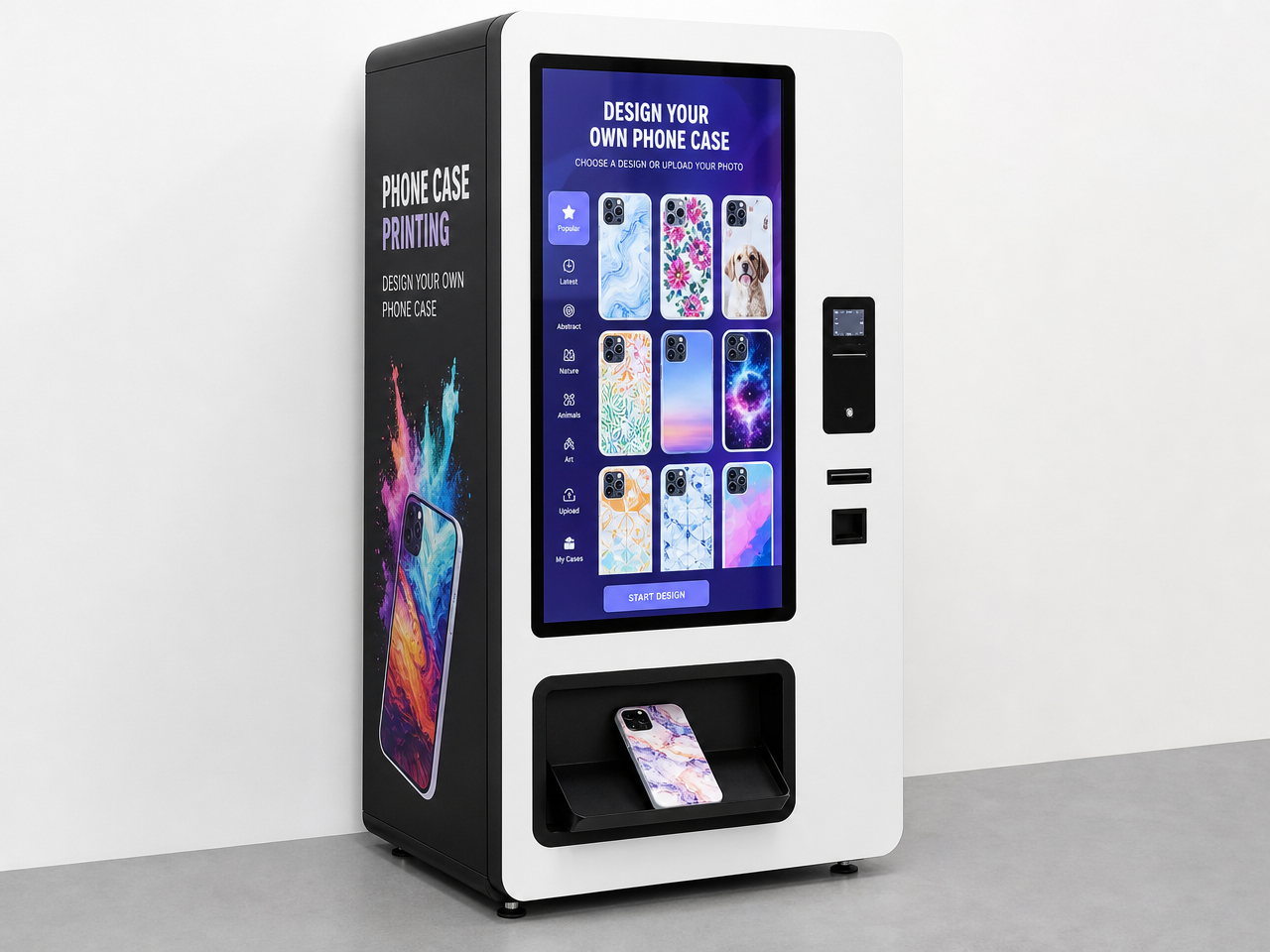
Some vending systems are capable of producing items in real time after a customer places an order.
This model allows operators to:
- Reduce inventory risk
- Offer a wider product range
- Charge premium prices
On-demand production also creates a “made-for-you” experience that increases customer satisfaction.
3. Digital Customization Interfaces
Modern vending machines use touchscreen interfaces to guide users through the customization process.
These interfaces can include:
- Visual previews
- Step-by-step selections
- Interactive menus
The more intuitive and engaging the interface, the higher the likelihood of conversion.
Why Customization Increases Profitability
Customization is not just about improving the customer experience—it directly impacts revenue.
Higher Price Points
Customized products typically command higher prices because they offer unique value.
Customers are often willing to pay more for something that feels personal and exclusive.
Increased Engagement
Interactive customization encourages users to spend more time at the machine.
Longer engagement leads to:
- Higher conversion rates
- Increased upselling opportunities
- Stronger brand recall
Reduced Direct Price Competition
Standard products are easy to compare across retailers. Customized products are not.
This reduces price sensitivity and allows operators to maintain higher margins.
Ideal Locations for Customized Vending
Customization performs best in locations where consumers are open to exploration and experience-driven purchases.
Shopping Centers
Malls attract consumers who are already in a browsing mindset, making them more receptive to interactive vending experiences.
Tourist Areas
Travelers often look for unique or memorable purchases, making customization highly appealing.
Entertainment Venues
Locations such as cinemas, event spaces, and theme parks benefit from experiential retail, where customization adds value to the overall experience.
University Campuses
Students are more likely to engage with personalized products and interactive technology.
Technology Behind Customization
The growth of customization in vending machines is driven by several key technologies.
Smart Interfaces
Touchscreens and intuitive UI design enable smooth customization processes.
Cloud-Based Systems
Operators can update product options, pricing, and customization features remotely.
Data Analytics
Customization systems collect valuable data on consumer preferences, allowing operators to refine offerings over time.
Automation and Production Systems
Advanced machines can assemble or produce customized products quickly and consistently.
Challenges to Consider
While customization offers strong advantages, it also introduces complexity.
Higher Equipment Costs
Machines capable of customization typically require more advanced hardware and software.
Longer Transaction Time
Customization can increase the time per transaction, which may reduce throughput in high-traffic locations.
Maintenance and Reliability
More complex systems require more frequent maintenance and technical support.
User Experience Design
If the customization process is too complicated, customers may abandon the purchase.
Simple, intuitive interfaces are critical.
The Future of Customization in Automated Retail
Customization is expected to expand further as technology continues to improve.
Future developments may include:
- AI-driven product recommendations
- Personalized user profiles
- Mobile app integration
- Real-time design previews with augmented reality
As these features become more common, vending machines will increasingly function as interactive retail platforms rather than passive sales points.
Conclusion
Customization is redefining what self-service vending machines can offer. By enabling personalized products and interactive experiences, automated retail is moving beyond convenience into engagement and differentiation.
For operators, customization represents a powerful opportunity to increase margins, attract attention, and build stronger connections with consumers.
In a competitive market, the ability to offer something unique may be the key factor that separates successful vending businesses from the rest.