Skip to content
In today’s fast-paced, mobile-first world, consumers expect everything to be instant, personalized, and effortless—including how they buy phone accessories. This shift in behavior has fueled the rapid rise of phone case vending machines, a smart retail solution that combines automation, customization, and high-profit potential into one compact unit.
If you’re new to this concept, or considering it as a business opportunity, this beginner’s guide will walk you through what a phone case vending machine is, how it works, who it’s for, and why it’s becoming one of the most attractive vending investments worldwide.
What Is a Phone Case Vending Machine?
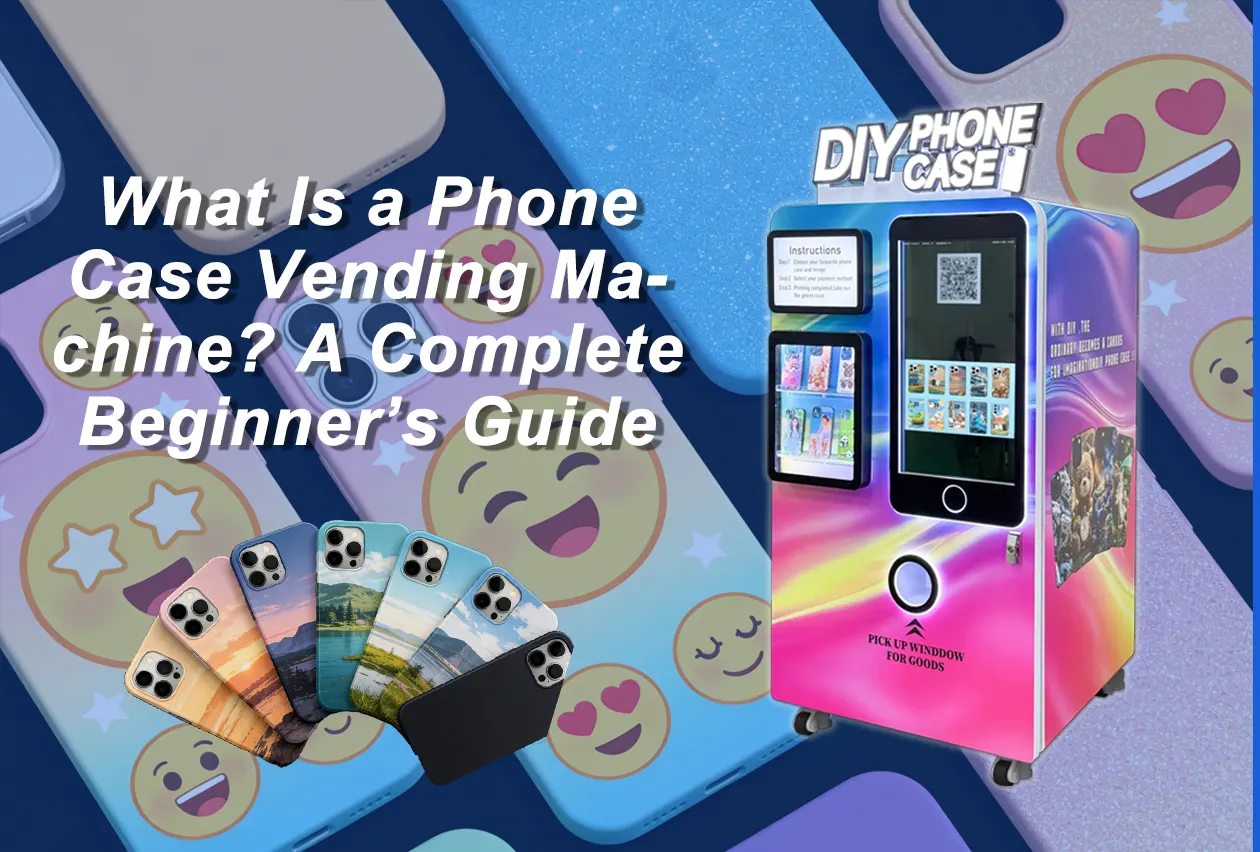
A phone case vending machine is an automated self-service device that allows customers to select, customize, and purchase phone cases on the spot—often within minutes.
Unlike traditional vending machines that simply dispense pre-packed products, phone case vending machines integrate:
- A digital touch screen
- On-demand printing technology
- Multiple phone model templates
- Automated payment systems
Customers can choose their phone model, select a design (or upload their own), and watch the machine print the case in real time.
This is not just vending—it’s instant manufacturing + retail combined.
How Does a Phone Case Vending Machine Work?
From a user’s perspective, the process is surprisingly simple. Behind the scenes, however, the system is highly intelligent.
Step-by-Step Customer Experience:
- Select Phone Model
Customers choose their phone brand and model (iPhone, Samsung, etc.). - Choose or Customize a Design
Preloaded designs, seasonal themes, or personalized images can be selected. - Make Payment
The machine supports cashless payments such as credit cards, QR codes, or mobile wallets. - Automatic Printing
Using advanced printing technology (often No-Bracket Printing), the machine produces the phone case in minutes. - Instant Pickup
The finished phone case is dispensed—freshly printed and ready to use.
For customers, it feels like magic. For operators, it’s a repeatable, scalable business model.
Why Phone Case Vending Machines Are Different From Traditional Retail
To understand why this concept is gaining traction, it’s important to compare it with traditional phone accessory stores.
Traditional Retail Challenges:
- High rent and staffing costs
- Limited opening hours
- Inventory pressure
- Slow response to new phone models
Phone Case Vending Machine Advantages:
- 24/7 operation
- No sales staff required
- Minimal space needed
- On-demand production (no inventory waste)
- Fast adaptation to new phone models
In short, phone case vending machines eliminate many of the pain points that traditional retail struggles with—while keeping margins high.
Who Is This Business Model For?
One of the biggest strengths of phone case vending machines is their flexibility. They appeal to a wide range of business owners and investors.
Ideal for:
- First-time vending investors
- Shopping mall operators
- Airport & transportation hubs
- Entertainment venues
- Electronics retailers looking to expand
- Entrepreneurs seeking passive income
You don’t need prior manufacturing or retail experience. With modern machines designed for user-friendly operation, many owners manage multiple units with minimal daily involvement.
The Market Demand Behind Phone Case Vending Machines
Phone cases are not seasonal products—they’re daily essentials.
With millions of new smartphones sold every month, demand for phone cases remains constant. On top of protection, consumers increasingly view phone cases as fashion statements and personal identity items.
Key demand drivers include:
- Frequent phone upgrades
- Desire for personalization
- Impulse buying behavior
- High foot traffic environments
This makes phone case vending machines especially effective in places where people have time to browse—such as malls, cinemas, airports, and campuses.
Understanding the Technology: Why Printing Matters
At the heart of every phone case vending machine is its printing technology.
Modern machines often use No-Bracket Printing Technology, which allows direct printing onto phone cases without additional fixtures. This innovation significantly reduces consumable costs and mechanical complexity.
Why This Matters for Operators:
- Lower cost per case
- Faster production time
- Fewer mechanical failures
- Easier maintenance
- Higher profit margins
Technology is not just a feature—it’s the foundation of long-term profitability.
Is a Phone Case Vending Machine Profitable?

This is usually the first question investors ask—and for good reason.
Typical business data shows:
- Production cost per case: ~$1
- Selling price: $15–$40
- Gross margin: 95%+
With the right location and pricing strategy, many operators recover their investment within a few months. The key is consistent foot traffic and an attractive design library that encourages impulse purchases.
Common Misconceptions About Phone Case Vending Machines
Despite their growing popularity, some myths still exist.
“It’s too technical to manage.”
Modern machines are designed with plug-and-play systems and remote monitoring.
“Customization will slow down sales.”
In reality, personalization increases conversion rates and customer engagement.
“It only works in big cities.”
Smaller cities, campuses, and tourist locations often perform just as well—sometimes better.
The Role of Phone Case Vending in Smart Retail
Phone case vending machines are part of a larger trend toward smart self-service retail.
Consumers are already comfortable with:
- Self-checkout
- Mobile payments
- Automated kiosks
Phone case vending fits naturally into this ecosystem, bridging the gap between customization and convenience.
As smart retail continues to expand, these machines are no longer experimental—they’re becoming standard fixtures in modern commercial spaces.
Final Thoughts: Is a Phone Case Vending Machine Right for You?
If you’re looking for a business that offers:
- Low operating costs
- High profit potential
- Scalable expansion
- Strong market demand
Then a phone case vending machine deserves serious consideration.
This is not a short-term trend—it’s a reflection of how consumers want to shop today and tomorrow.
Written by Gigi
Focused on smart vending, automated retail, and profitable self-service business models.