Skip to content
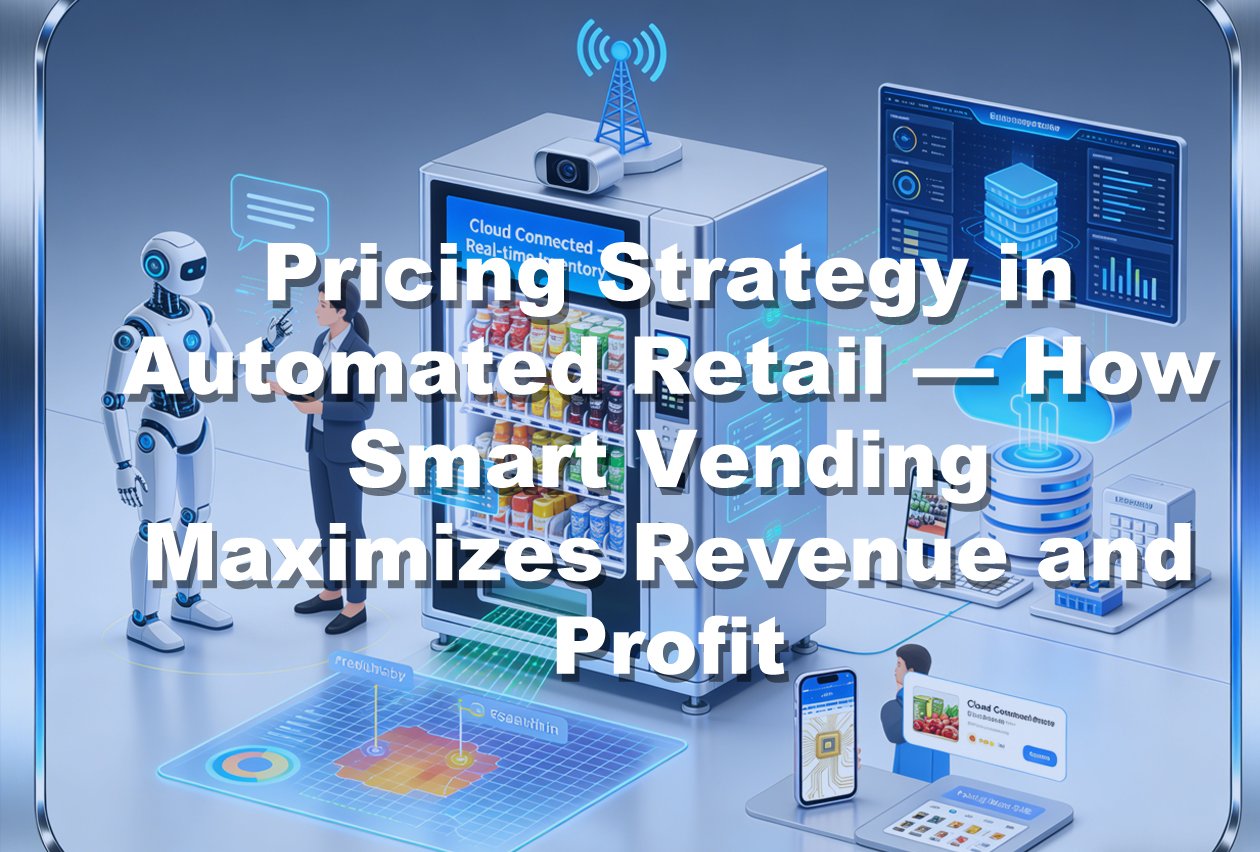
As the vending machine industry evolves into a data-driven retail ecosystem, pricing is no longer a fixed decision—it is a dynamic strategy. In 2026, successful operators are moving beyond static pricing models and adopting flexible approaches that respond to location, demand, and consumer behavior.
For self-service vending machines, pricing directly impacts not only revenue, but also customer perception, repeat usage, and long-term profitability. Operators who understand how to optimize pricing can significantly outperform competitors, even with similar locations and product offerings.
This article explores how pricing strategies are changing in automated retail and what operators need to know to stay competitive.
Why Pricing Matters More in Automated Retail
In traditional retail, pricing is influenced by staff interaction, promotions, and in-store experiences. In automated retail, the machine itself must communicate value and justify the price instantly.
Customers make decisions based on:
- Price visibility
- Convenience value
- Product relevance
- Time sensitivity
Because there is no salesperson to explain pricing, clarity and positioning are critical.
The Shift from Static to Dynamic Pricing
Historically, vending machines used fixed pricing. Every customer paid the same price regardless of time or demand.
In 2026, dynamic pricing is becoming more common. This approach allows operators to adjust prices based on:
- Time of day
- Location traffic patterns
- Product demand
- Inventory levels
For example:
- Higher prices during peak hours
- Discounts for slower periods
- Price adjustments for fast-selling items
Dynamic pricing allows operators to maximize revenue while improving inventory turnover.
Key Pricing Models in Self-Service Vending Machines
1. Value-Based Pricing
Value-based pricing focuses on what customers are willing to pay rather than cost alone.
In high-demand locations such as airports or hospitals, customers often prioritize convenience over price. This allows operators to charge premium pricing for certain products.
2. Competitive Pricing
In locations where alternative retail options exist, pricing must remain competitive.
Operators should monitor nearby stores, convenience shops, and other vending machines to ensure pricing aligns with market expectations.
3. Tiered Pricing Strategy
Offering multiple price tiers allows operators to capture a wider range of customers.
For example:
- Entry-level products at lower prices
- Premium options with higher margins
This approach increases overall sales while maintaining profitability.
4. Promotional Pricing
Temporary discounts and bundled offers can drive sales during slower periods.
Examples include:
- Multi-buy discounts
- Limited-time price reductions
- Seasonal promotions
These strategies help maintain consistent revenue flow.
The Role of Data in Pricing Optimization
Modern self-service vending machines collect valuable sales data that can be used to refine pricing strategies.
Operators can analyze:
- Sales by time of day
- Product performance
- Customer purchasing patterns
- Price sensitivity
With this information, pricing decisions become more precise and less dependent on guesswork.
Data-driven pricing allows operators to test different price points and quickly adjust based on performance.
Psychological Pricing in Automated Retail
Even in vending machines, consumer psychology plays a role in purchasing decisions.
Common techniques include:
- Pricing just below a round number (e.g., $2.99 instead of $3.00)
- Highlighting perceived value through product placement
- Using premium pricing to signal higher quality
Because purchasing decisions are made quickly, small pricing differences can significantly influence behavior.
Location-Based Pricing Strategy
Pricing should always be aligned with location characteristics.
High-Traffic Premium Locations
- Airports
- Hospitals
- Tourist areas
These locations support higher pricing due to urgency and limited alternatives.
Competitive Urban Locations
- Shopping centers
- downtown areas
Pricing must remain competitive due to nearby retail options.
Closed Environments
- Offices
- residential buildings
In these locations, convenience is a key factor, and moderate pricing strategies often perform best.
Balancing Profit and Customer Experience
While maximizing profit is important, overpricing can reduce repeat usage and damage trust.
Successful operators focus on:
- Fair and transparent pricing
- Consistent product quality
- Reliable machine performance
Customer satisfaction leads to repeat purchases, which are essential for long-term success.
Challenges in Pricing Strategy
Limited Real-Time Adjustment
Not all machines support real-time pricing updates. Operators may need to invest in upgraded systems to implement dynamic pricing.
Consumer Sensitivity
Some customers may react negatively to price fluctuations if not communicated properly.
Data Interpretation
Collecting data is only useful if operators can interpret and act on it effectively.
Future Trends in Vending Machine Pricing
Pricing strategies in automated retail will continue to evolve with technology.
Emerging trends include:
- AI-driven dynamic pricing
- Personalized pricing through mobile apps
- Integration with loyalty programs
- Real-time promotional adjustments
As these capabilities develop, pricing will become more responsive and customer-focused.
Conclusion
Pricing is no longer a static decision in the vending machine industry. In 2026, it is a dynamic and strategic tool that directly impacts revenue, customer experience, and competitive positioning.
Self-service vending machine operators who adopt data-driven pricing strategies, understand their locations, and respond to consumer behavior will be better positioned to maximize profitability.
In the future of automated retail, success will depend not just on what you sell—but how you price it.