Skip to content
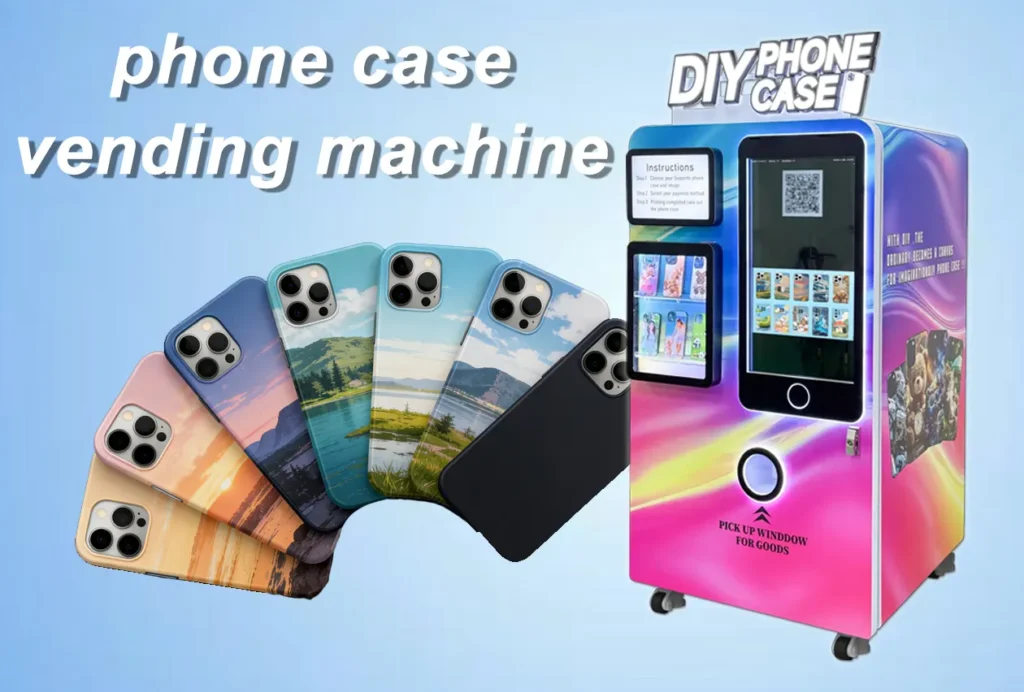
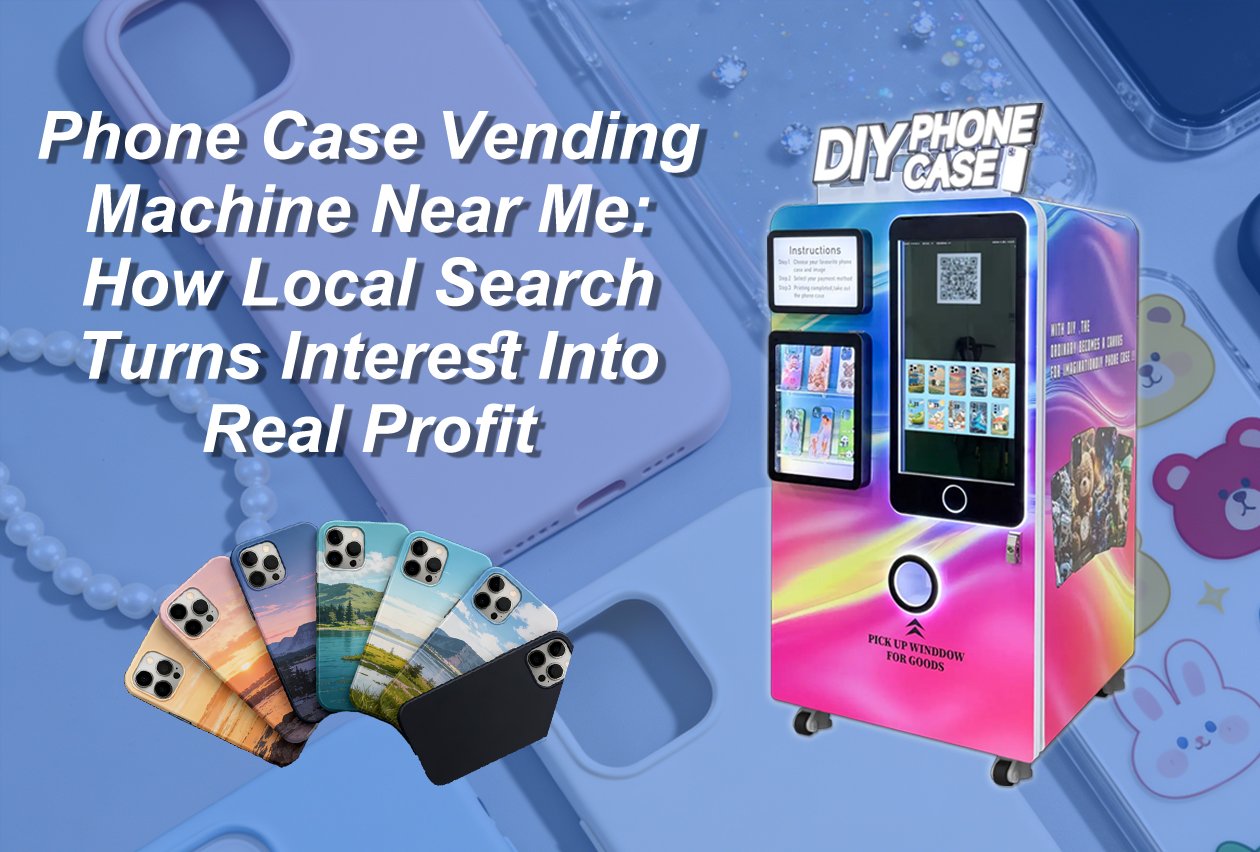
hoosing the right phone case vending machine can be the difference between a profitable automated retail business and a machine that never reaches its earning potential. After working with thousands of global buyers, startups, mall operators, and event exhibitors, I’ve seen one thing clearly: the machine you pick defines your long-term success.
In this guide, I’ll walk you through exactly how to evaluate different models, what features really matter in daily operations, and how to match the machine to your business model. Whether you’re planning to place a single machine in a mall or build a nationwide network of automated phone case kiosks, this article will help you make the right decision from day one.
Why Your Choice of Machine Matters
Most people assume all phone case vending machines work the same way—display the items, accept payments, and dispense the product. In reality, the differences between machines can be huge.
Your choice determines:
- How many styles you can sell
- How reliably the machine runs
- How much maintenance is required
- Printing speed and quality
- Connectivity and remote management
- Customer experience
- Daily revenue
A well-designed, commercial-grade machine should operate 24/7, support high-traffic locations, and deliver consistent printing results without constant human intervention. If you choose correctly, one machine can generate daily profits high enough to support your entire vending expansion.
Step 1: Understand Your Business Model
Before comparing machines, define how you plan to run your business. Here are the most common models:
1. Mall or Shopping Center Placement
If you plan to place machines in shopping malls or department stores:
- High volume traffic
- Expect more custom printing orders
- Require fast print speed
- Need a compact footprint
Choose a model with:
✔ Fast print engine
✔ Large case inventory capacity
✔ High-quality touchscreen design for better user experience
2. Tourist Locations or Airports
Travelers like quick customization and instant souvenirs. You need:
✔ Multi-language interface
✔ Strong payment compatibility (credit card, QR pay, NFC)
✔ Stress-tested, all-day uptime
3. University or Youth-Focused Areas
Students purchase frequently and care about style. Priorities include:
✔ High design library capacity
✔ Affordable consumables
✔ Smooth printing for clear, vibrant artwork
4. Events, Exhibitions, or Temporary Installations
You need mobility. Look for:
✔ Machines with wheels
✔ Quick installation
✔ Plug-and-play setup
Understanding your business model helps you choose features that match your needs rather than paying for unnecessary functions.
Step 2: Check the Printing Technology
Not all printing systems deliver the same results. The most advanced machines today use:
UV Printing with No-Bracket Technology
This innovation allows direct printing on the phone case without extra brackets, reducing consumable costs and extending printer life.
Advantages:
- Lower operating cost
- Faster printing
- Cleaner image quality
- Better alignment
- Fewer mechanical issues
If you’re aiming for long-term profitability, no-bracket UV printing is essential.
Ink Quality Matters
Always look for:
- High-adhesion UV ink
- Water-resistant output
- Scratch-resistant finishing
- Vibrant color reproduction
A reliable machine should produce cases that look like premium retail products, not cheap DIY items.
Step 3: Compare the Inventory Capacity
When it comes to vending, capacity equals revenue.
A machine with:
- More case types
- Larger inventory
- More slots for phone models
…can serve a wider audience and reduce refill frequency.
If you expect medium to high traffic, avoid machines with very small storage capacity—they will cost you time, fuel, and labor in constant restocking.
Step 4: Evaluate the Software & Remote System
This is one of the most overlooked parts of choosing a phone case vending machine.
Modern operators need cloud connectivity to see:
- Real-time sales
- Inventory levels
- Machine errors
- Cashless payment records
- Live printing status
A machine without a cloud system means blind operation, more downtime, and slower troubleshooting.
Look for a platform that offers:
✔ Remote monitoring
✔ Remote restart
✔ Remote content updates (designs, UI, settings)
✔ Multi-user login for teams
Step 5: Payment Options
The more payment methods you support, the more sales you capture.
A proper machine should offer:
- Credit & debit cards
- Apple Pay / Google Pay
- QR payments
- NFC
- Optional cash acceptor (depending on the region)
Cashless systems are essential in 2025, especially in airports, campuses, and malls where digital payments dominate.
Step 6: Build Quality & Support
A commercial vending machine must run 24/7 without you standing beside it. Evaluate:
- Material thickness
- Frame durability
- Steel quality
- Touchscreen responsiveness
- Printer lifespan
- Emergency access design
- Electrical safety certifications
Also consider the manufacturer’s support, spare parts availability, and actual experience building automated vending equipment.
Companies like Red Rabbit, with dedicated R&D and mass production capabilities, offer stronger reliability than small trading companies or workshops.
Step 7: Profitability Expectations
A high-quality phone case vending machine can generate strong daily revenue, especially in high-traffic locations.
Based on global customer data:
- Cost per phone case: $1–$2
- Retail selling price: $20–$40
- Profit margin: 90–95%+
- Typical ROI period: 30–90 days
A poor-quality machine may cost less upfront but creates losses through downtime, misprints, and maintenance.
Always prioritize long-term profit over short-term cost.
Final Thoughts
Choosing the right phone case vending machine isn’t just about buying equipment—it’s about building a scalable, automated retail business.
Evaluate your goals, understand your location, and choose a machine that offers strong printing performance, reliable stability, and high-value features.
With the right setup, this business can become one of the most profitable automated retail models available today.