Skip to content
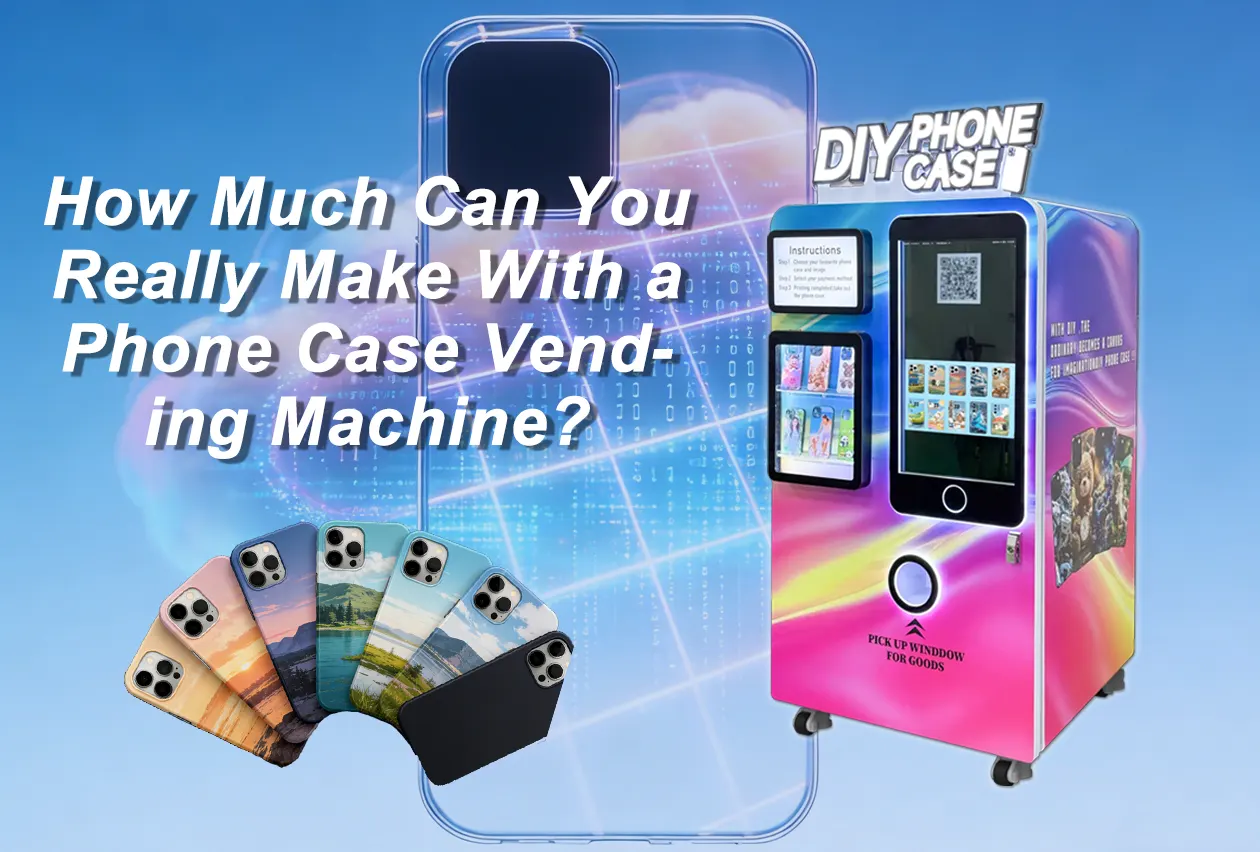
A High-Ticket Profit Breakdown at $20–$40 per Case
By Gigi
One of the biggest misconceptions about phone case vending machines is pricing.
Many people assume phone cases are “cheap accessories.”
In reality, custom phone cases sold instantly, on demand, and in high-traffic locations behave like premium impulse products.
Today, successful operators are no longer pricing at $5–$15.
Instead, $20–$40 per case has become the new profit sweet spot.
Let’s break down how much you can really make when phone case vending machines are positioned and priced correctly.
Why $20–$40 Pricing Works in Vending Environments
Before looking at the numbers, we need to understand consumer psychology.
People do not compare vending prices the same way they compare online prices.
In vending scenarios:
- Customers value speed and convenience
- Customization increases emotional attachment
- There is no “shopping cart comparison”
- Purchases are impulse-driven
A customized phone case printed in front of the customer is perceived as:
- A personalized product
- A souvenir or memory
- A lifestyle accessory
This shifts pricing expectations upward—especially in malls, airports, cinemas, and tourist locations.
Real Cost Breakdown Per Phone Case (Still ~$1)
Even at higher selling prices, your production cost stays almost the same.
Average Variable Cost per Case:
- Blank phone case: $0.60–$0.80
- Ink & consumables: $0.20–$0.30
- Electricity & machine wear: ~$0.05
👉 Total cost per case: ≈ $1
This is why price increases directly translate into profit—not cost.
New Selling Price Structure: $20–$40
Based on real operator data:
| Location Type | Typical Price |
|---|---|
| Shopping malls | $20–$25 |
| Cinemas & entertainment venues | $25–$30 |
| Tourist attractions | $30–$35 |
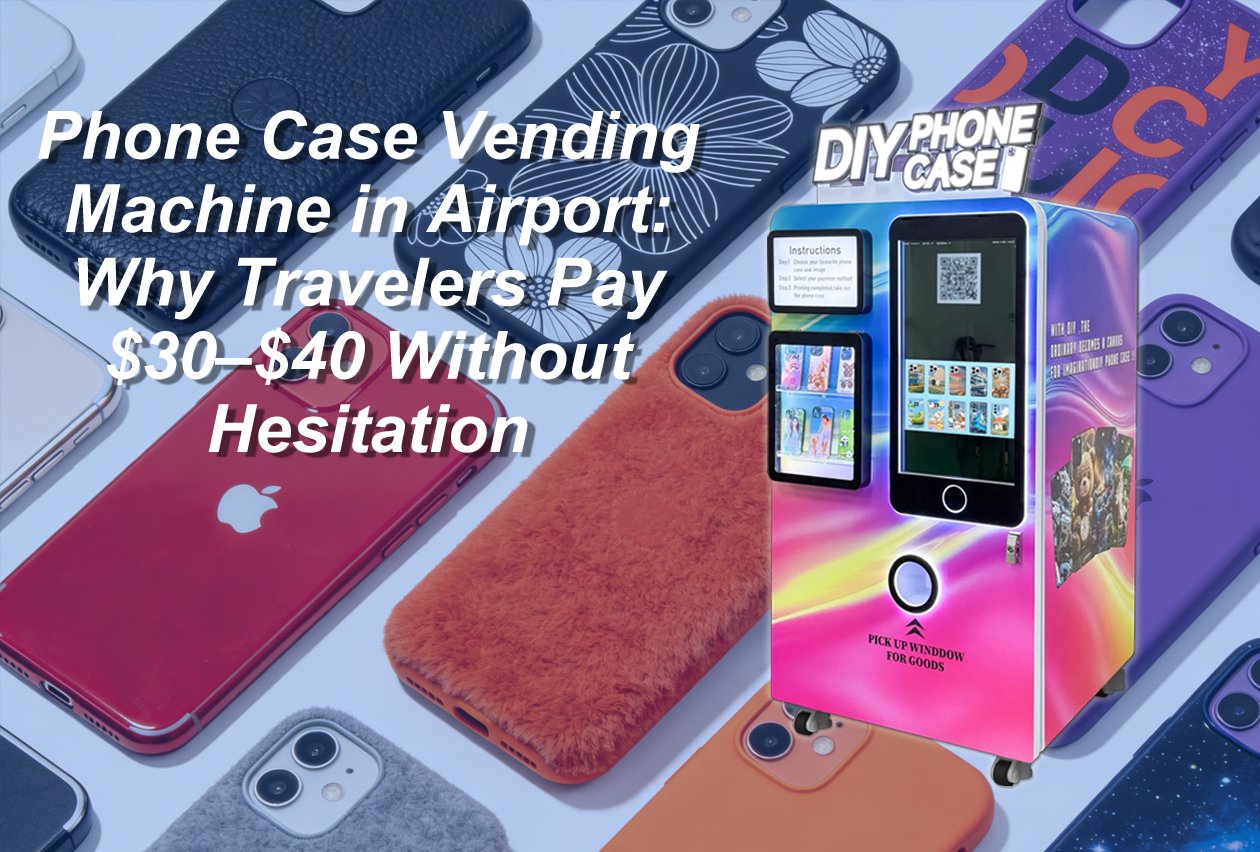
| Airports | $35–$40 |
Customization, instant delivery, and premium design libraries justify this pricing.
Gross Profit Per Sale: Where the Business Gets Powerful
Let’s look at three common pricing points.
Conservative Premium Price – $20
- Cost per case: $1
- Gross profit per sale: $19
Mid-Range Premium Price – $30
- Cost per case: $1
- Gross profit per sale: $29
High-End Location Price – $40
- Cost per case: $1
- Gross profit per sale: $39
Margins now range from 95% to 97%+.
Daily Sales Scenarios (Premium Pricing Reality)
Higher prices do not require extremely high volume to be profitable.
Scenario 1: Conservative Traffic
- 8 sales/day × $25 profit
Daily profit: $200
Monthly profit: ~$6,000
Scenario 2: Average Mall Location
- 12 sales/day × $29 profit
Daily profit: ~$350
Monthly profit: ~$10,500
Scenario 3: High-Traffic Premium Location
- 20 sales/day × $35 profit
Daily profit: $700
Monthly profit: ~$21,000
This is one machine.
Fixed Monthly Costs (Remain Unchanged)
Premium pricing does not increase your fixed costs.
Typical Monthly Fixed Costs:
- Location rent / revenue share: $400–$1,200
- Internet & system services: $30–$50
- Maintenance buffer: $50–$100
👉 Total fixed cost: ~$500–$1,300/month
Net Profit Example (Mid-Range Scenario)
Let’s take a realistic mall example:
- Monthly gross profit: $10,500
- Monthly fixed costs: $1,000
👉 Net monthly profit: ~$9,500
Machine Cost & Payback Period (Even Faster)
Typical machine investment:
- $6,000–$10,000
With premium pricing:
- Payback period: 1–2 months
- After payback: almost pure cash flow
This is why many operators upgrade pricing after the first 2–4 weeks of operation.
Why Higher Pricing Is Actually Safer
Counterintuitively, higher pricing often:
- Reduces low-quality complaints
- Attracts more serious buyers
- Improves perceived quality
- Increases location owner confidence
Low pricing competes with cheap online products.
Premium pricing competes with experience—and wins.
Scaling With Premium Economics
When pricing reaches $20–$40:
- 3 machines × $8,000 net = $24,000/month
- 5 machines = $40,000+/month
- 10 machines = six-figure monthly revenue
All without:
- Hiring staff
- Managing inventory
- Operating a physical store
Common Mistakes When Raising Prices (And How to Avoid Them)
❌ Weak design library
✅ Use trend-driven, seasonal, and local designs
❌ Poor machine placement
✅ Ensure high visibility and leisure-time environments
❌ No explanation of value
✅ Clearly show “Custom Printed in Minutes”
Price works when value is visible.
Is $20–$40 Sustainable Long Term?
Yes—because:
- Phone models keep changing
- Personalization never goes out of style
- Self-service retail adoption is accelerating
As long as:
- Designs stay fresh
- Machines stay reliable
- Locations stay premium
Pricing remains defensible.
Final Thoughts: Premium Pricing Changes Everything
Raising phone case vending machine prices from $10 to $20–$40 doesn’t just improve profit—it transforms the business model.
You move from:
- Volume dependency → Margin dominance
- Slow payback → Rapid ROI
- “Accessory vending” → Premium smart retail
For investors who understand location, presentation, and technology, this is where the real money is made.
Written by Gigi
Specializing in high-margin smart vending economics and scalable automated retail models.