Skip to content
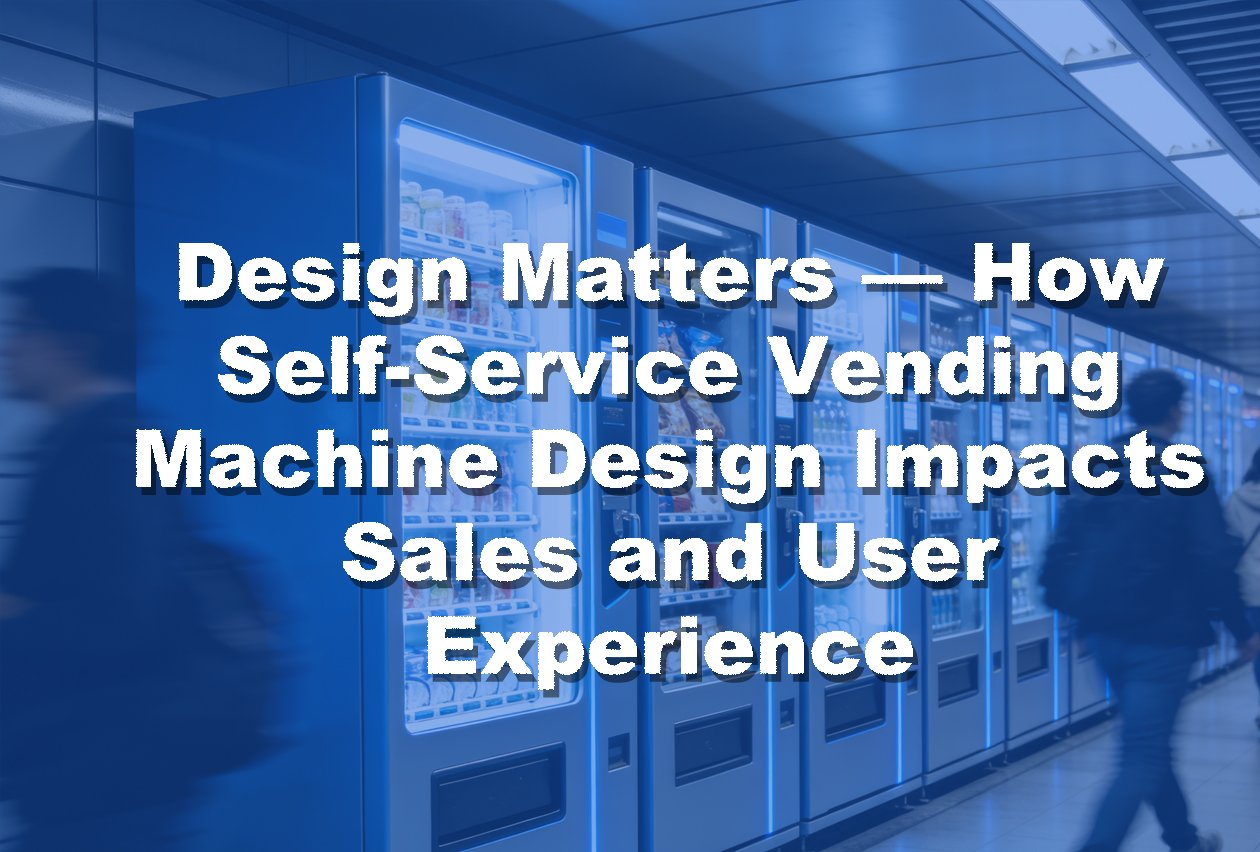
In the evolving world of automated retail, technology and location are no longer the only factors that determine success. In 2026, design has become a critical competitive advantage for self-service vending machines.
Modern consumers are highly visual, experience-driven, and influenced by aesthetics. A vending machine is no longer just a functional device—it is part of the retail environment. Its design directly affects whether a customer notices it, interacts with it, and ultimately makes a purchase.
For operators and brands, investing in design is no longer optional. It is a strategic decision that can significantly impact performance and profitability.
Why Design Is Now a Core Business Factor
In traditional retail, store layout, lighting, and visual merchandising play a major role in attracting customers. The same principles now apply to self-service vending machines.
A well-designed machine can:
- Capture attention in crowded environments
- Communicate brand value instantly
- Improve user interaction
- Increase conversion rates
On the other hand, poor design can cause customers to ignore the machine entirely—even in high-traffic locations.
First Impressions: Visibility and Visual Appeal
The first interaction between a customer and a vending machine is visual.
Key design elements include:
- Clean and modern appearance
- High-quality display screens
- Strategic lighting
- Clear product visibility
Machines that stand out visually are more likely to attract attention and encourage engagement.
In busy environments such as malls or transportation hubs, this initial impression can determine success.
User Interface Design and Ease of Use
Beyond physical appearance, the digital interface plays a crucial role.
A well-designed interface should be:
- Simple and intuitive
- Easy to navigate
- Visually clear
- Responsive to touch
Customers expect a smooth and fast interaction. If the interface is confusing or slow, they may abandon the purchase.
Good UI design reduces friction and increases transaction completion rates.
Product Presentation and Display Strategy
How products are presented within a vending machine affects purchasing decisions.
Effective strategies include:
- Clear product categorization
- High-quality images or real product visibility
- Logical arrangement of options
- Highlighting popular or featured items
Visual clarity helps customers make quick decisions, which is especially important in fast-paced environments.
Branding and Customization
Self-service vending machines are increasingly used as brand touchpoints.
Design elements can reflect:
- Brand identity
- Color schemes
- Messaging
- Target audience positioning
A strong brand presence can turn a vending machine into a marketing tool, not just a sales channel.
Customized machine designs are especially effective in high-visibility locations where differentiation matters.
Ergonomics and Accessibility
Design must also consider physical usability.
Important factors include:
- Comfortable screen height
- Easy product retrieval
- Accessibility for different user groups
- Clear instructions
Machines that are easy to use for a wide range of customers will naturally achieve higher engagement and sales.
The Role of Digital Screens
Modern vending machines often include large digital displays.
These screens can be used for:
- Product promotions
- Dynamic content
- Advertising
- User guidance
Digital screens not only enhance the user experience but also create additional revenue opportunities through advertising.
They transform vending machines into interactive retail media platforms.
Design and Consumer Psychology
Design influences how customers perceive value.
For example:
- Premium-looking machines can justify higher prices
- Clean and modern designs build trust
- Engaging visuals encourage exploration
Even small details—such as color choices or layout—can impact purchasing behavior.
Understanding consumer psychology allows operators to design machines that drive higher conversions.
Adapting Design to Location
Design strategies should vary depending on where the machine is placed.
High-End Environments
Locations such as airports or premium office buildings benefit from sleek, modern designs that reflect a high-quality experience.
Casual Environments
In residential areas or public spaces, designs can focus more on clarity, friendliness, and ease of use.
High-Traffic Areas
Machines in busy locations should prioritize visibility and fast interaction.
Adapting design to the environment ensures better alignment with customer expectations.
Challenges in Design Optimization
While design offers many benefits, it also presents challenges.
Cost Considerations
High-end materials, screens, and customization features can increase upfront costs.
Balancing Aesthetics and Functionality
A visually appealing machine must still be practical, durable, and easy to maintain.
Continuous Updates
Design trends evolve over time. Operators may need to update interfaces and visuals to stay relevant.
Future Trends in Vending Machine Design
Design in automated retail will continue to evolve alongside technology.
Emerging trends include:
- Minimalist and modular designs
- Larger interactive displays
- Personalized interface experiences
- Integration with mobile devices
As vending machines become more advanced, design will play an even greater role in shaping user experience and brand perception.
Conclusion
Design is no longer a secondary consideration in the vending machine industry. It is a powerful factor that influences visibility, usability, and sales performance.
Self-service vending machines that combine strong visual appeal with intuitive interfaces and thoughtful product presentation are better positioned to attract customers and drive revenue.
In the competitive landscape of automated retail, the machines that stand out—and perform best—will be those designed with both the user and the environment in mind.