Skip to content
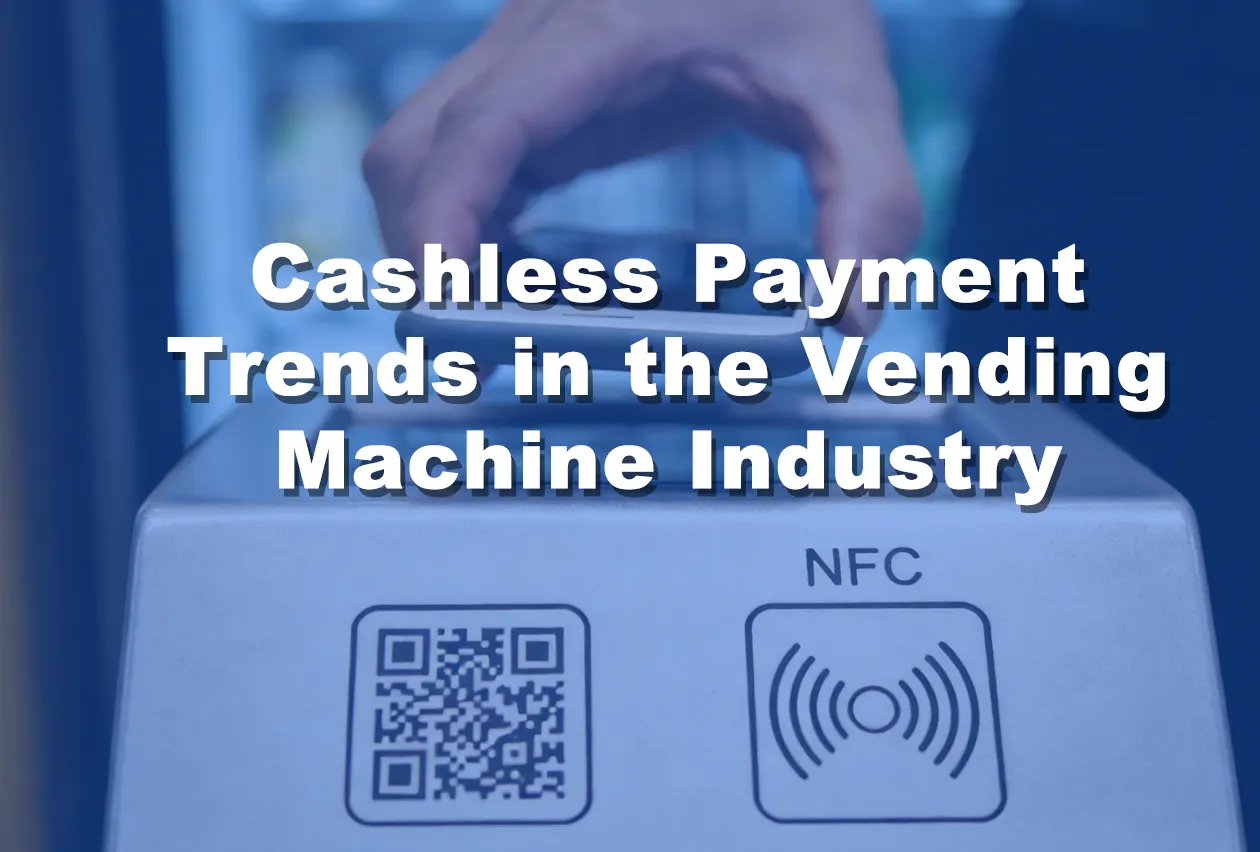
Cashless payment is no longer an optional upgrade in the vending machine industry—it is quickly becoming the default standard. As consumer behavior shifts toward mobile wallets, contactless cards, and QR-based payments, vending machines that fail to adapt risk being left behind.
In 2025, cashless payment systems are reshaping how vending machines operate, how consumers interact with self-service retail, and how operators maximize efficiency and revenue. This transformation is especially visible in high-traffic urban areas, transportation hubs, and modern commercial spaces.
This article explores the latest cashless payment trends in the vending machine industry and why they are critical to the future of automated retail.
The Decline of Cash in Everyday Transactions
Across global markets, cash usage continues to decline. Consumers increasingly prefer digital payment methods that are fast, secure, and convenient.
Key factors driving this shift include:
- Widespread smartphone adoption
- Growth of digital wallets such as Apple Pay and Google Pay
- Increased awareness of hygiene and contactless transactions
- Government and financial institution support for cashless economies
For vending machine operators, this shift represents both a challenge and an opportunity.
Why Cashless Payments Are Essential for Modern Vending Machines
Traditional cash-operated vending machines face several limitations:
- Higher maintenance due to coin and bill mechanisms
- Increased risk of theft and vandalism
- Slower transaction times
- Limited data tracking
Cashless vending machines eliminate many of these issues while offering additional benefits that align with modern retail expectations.
Major Cashless Payment Methods Used in Vending Machines
1. Contactless Card Payments
Contactless debit and credit cards remain one of the most widely accepted cashless payment options.
Advantages include:
- Familiar user experience
- Fast transaction speed
- Broad consumer acceptance
In many developed markets, contactless card payments are now expected rather than appreciated.
2. Mobile Wallets and NFC Payments
Mobile wallets have seen explosive growth in recent years. Payments via smartphones and smartwatches offer unmatched convenience, especially in urban environments.
For vending machine operators, mobile payments provide:
- Higher transaction success rates
- Seamless integration with loyalty systems
- Reduced friction for repeat purchases
3. QR Code Payments
QR-based payments are particularly popular in Asia and emerging markets.
They offer:
- Low hardware costs
- Easy software integration
- Compatibility with multiple payment platforms
QR payments also enable deeper user engagement by connecting vending machines to apps, promotions, and digital campaigns.
How Cashless Payments Improve Vending Machine Profitability
Cashless payment systems do more than simplify transactions—they directly impact revenue.
Higher Conversion Rates
Consumers are more likely to complete a purchase when payment is quick and effortless. Cashless systems remove the barrier of needing exact change.
Increased Average Order Value
Studies consistently show that cashless payments encourage higher spending compared to cash transactions, as users perceive less friction.
Reduced Operational Costs
Without the need to handle cash, operators benefit from:
- Lower maintenance requirements
- Simplified accounting
- Reduced cash collection labor
Data and Analytics: The Hidden Advantage
One of the most powerful benefits of cashless vending machines is access to transaction data.
Operators can analyze:
- Payment preferences by location
- Time-based purchasing patterns
- Product performance
This data supports smarter decisions, such as adjusting pricing, optimizing product mix, or deploying machines in more profitable locations.
Security and Consumer Trust
Modern cashless payment systems are designed with advanced security protocols. Encryption, tokenization, and authentication measures protect both consumers and operators.
For users, this builds confidence in using vending machines for everyday purchases—even for higher-value products.
For operators, it minimizes financial risk and liability.
Challenges of Cashless Adoption
Despite its benefits, cashless vending also presents challenges.
Market-Specific Payment Preferences
Payment preferences vary significantly by region. Successful operators must support multiple payment methods to meet local expectations.
Initial Integration Costs
Upgrading vending machines with cashless payment hardware and software requires upfront investment. However, this cost is often recovered through increased sales and operational savings.
Connectivity Dependence
Cashless systems rely on stable internet connections. Reliable network infrastructure is essential for smooth operation.
The Future of Cashless Vending
Looking ahead, cashless payment systems will continue to evolve alongside vending machine technology.
Emerging trends include:
- Biometric authentication
- App-based vending ecosystems
- Subscription and membership models
- Seamless integration with smart city infrastructure
Vending machines are becoming part of a larger digital commerce environment rather than standalone devices.
Why Cashless Is No Longer Optional
In 2025, vending machines that rely solely on cash are increasingly seen as outdated. Consumers expect flexibility, speed, and security—and cashless payment delivers all three.
For operators, adopting cashless systems is not just about keeping up with trends. It is about unlocking operational efficiency, improving customer experience, and future-proofing their business.
Conclusion: Cashless Payments Power the Next Generation of Vending
The vending machine industry is entering a new phase defined by digital transactions and data-driven operations. Cashless payment systems sit at the center of this transformation, enabling smarter machines and better business outcomes.
As automated retail continues to grow, cashless-enabled vending machines will become the standard rather than the exception—reshaping how products are sold, managed, and experienced in self-service environments.