Skip to content
Urban retail is changing faster than ever. Rising rents, labor shortages, shifting consumer behavior, and rapid technological adoption are forcing businesses to rethink how products are sold in cities. In this environment, smart vending machines are no longer a niche solution—they are becoming a powerful alternative to traditional retail.
From shopping malls and office buildings to subway stations and airports, smart vending machines are quietly reshaping urban commerce. In 2025, they are not just filling retail gaps; they are actively replacing certain forms of brick-and-mortar retail.
This article explores why smart vending machines are gaining dominance in urban areas and what this shift means for retailers, investors, and the future of self-service commerce.
The Urban Retail Problem: High Costs, Low Flexibility
Cities offer high foot traffic, but they also come with high operational pressure.
Traditional retail in urban areas faces several structural challenges:
- Increasing rental costs
- Labor shortages and rising wages
- Limited operating hours
- Low tolerance for inefficiency
For small and medium-sized retailers, these pressures often make physical storefronts financially unsustainable. Even large brands are reassessing whether permanent retail spaces are the best way to reach customers.
Smart vending machines address many of these problems directly.
What Makes a Vending Machine “Smart”?
Unlike traditional vending machines, smart vending machines are equipped with advanced technologies that allow them to operate as autonomous retail units.
Key features typically include:
- Cashless and contactless payment systems
- Touchscreen displays
- Cloud-based monitoring and management
- Real-time inventory tracking
- Remote diagnostics and software updates
These capabilities transform vending machines from simple product dispensers into data-driven retail endpoints.
Why Urban Areas Are Ideal for Smart Vending Machines
1. Space Efficiency in High-Rent Locations
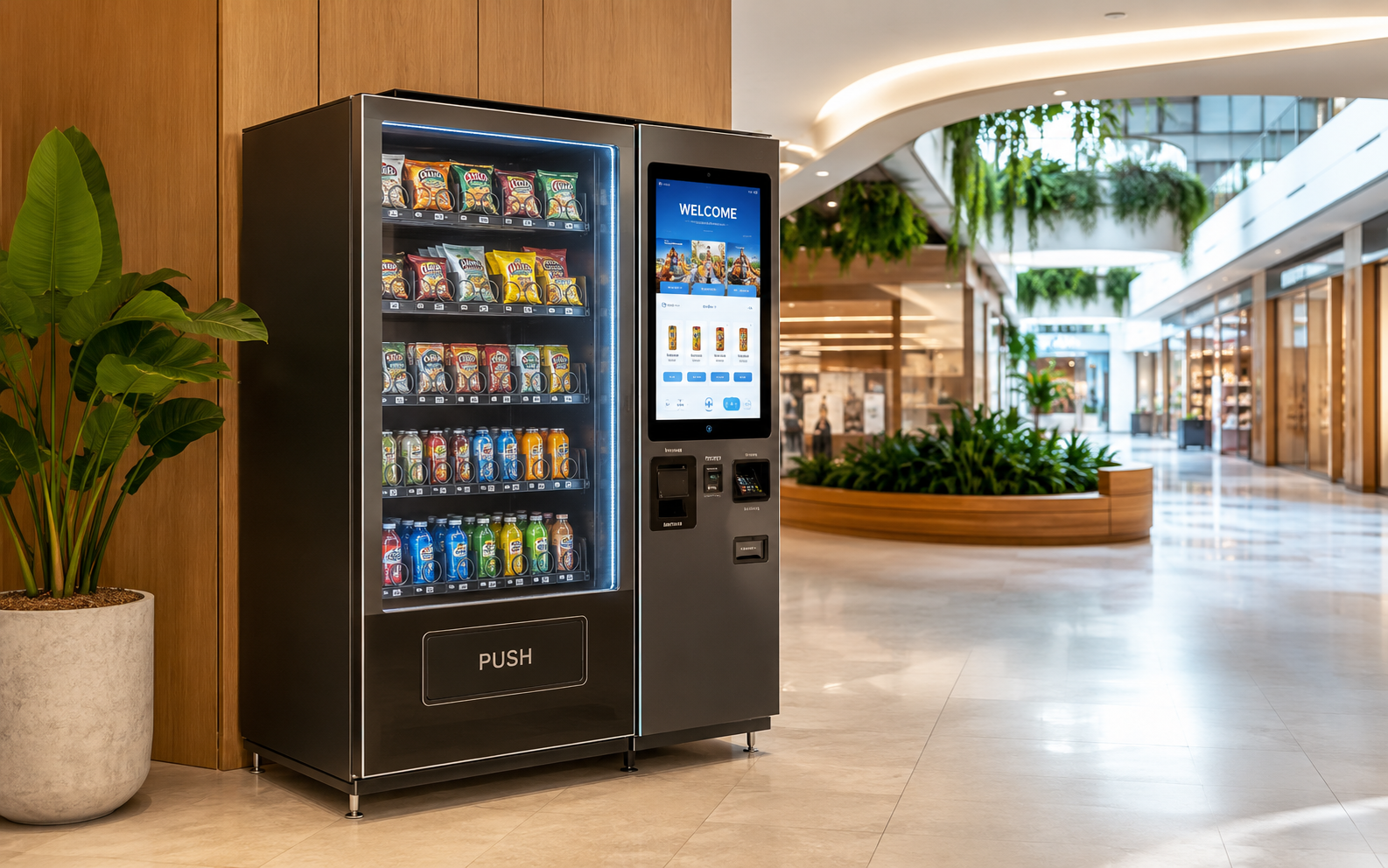
In dense urban environments, space is one of the most expensive resources. Smart vending machines require only a fraction of the space needed for a traditional store.
A single machine can operate in:
- Mall corridors
- Office lobbies
- Metro stations
- Building entrances
This allows property owners and operators to monetize small, previously underutilized spaces without major renovations or long-term leases.
2. 24/7 Retail Without Staffing
Urban consumers expect services to be available at all hours. Traditional retail struggles to meet this expectation due to staffing costs and regulations.
Smart vending machines offer:
- Continuous operation
- Zero staffing requirements
- Consistent service quality
This makes them particularly attractive in locations with late-night or irregular foot traffic, such as transportation hubs and mixed-use developments.
3. Faster Purchasing Experience
Speed matters in cities. Consumers want quick transactions without queues or complex checkout processes.
Smart vending machines provide:
- One-touch product selection
- Instant cashless payment
- Immediate product delivery
In high-traffic urban settings, this speed translates directly into higher conversion rates.
The Role of Cashless Payment in Urban Adoption
Cashless payment systems are a major driver behind the rise of smart vending machines.
Urban consumers increasingly prefer:
- Mobile payments
- Contactless cards
- Digital wallets
Smart vending machines are designed around these preferences, making them more aligned with modern purchasing habits than many traditional stores.
For operators, cashless systems also mean:
- Reduced theft risk
- Easier accounting
- Faster transaction processing
Smart Vending vs Traditional Retail: A Cost Comparison
When comparing smart vending machines with traditional retail outlets, the cost structure is fundamentally different.
Traditional Retail Requires:
- Rent
- Staff wages
- Utilities
- Inventory management
- Store maintenance
Smart Vending Machines Offer:
- Lower fixed costs
- Minimal ongoing labor expenses
- Centralized remote management
- Predictable operational budgets
In many urban scenarios, a single smart vending machine can achieve profitability faster than a small physical store selling similar products.
Expanding Beyond Snacks: A New Urban Retail Model
One of the biggest misconceptions about vending machines is that they are limited to low-value products. In reality, urban smart vending machines are increasingly used for:
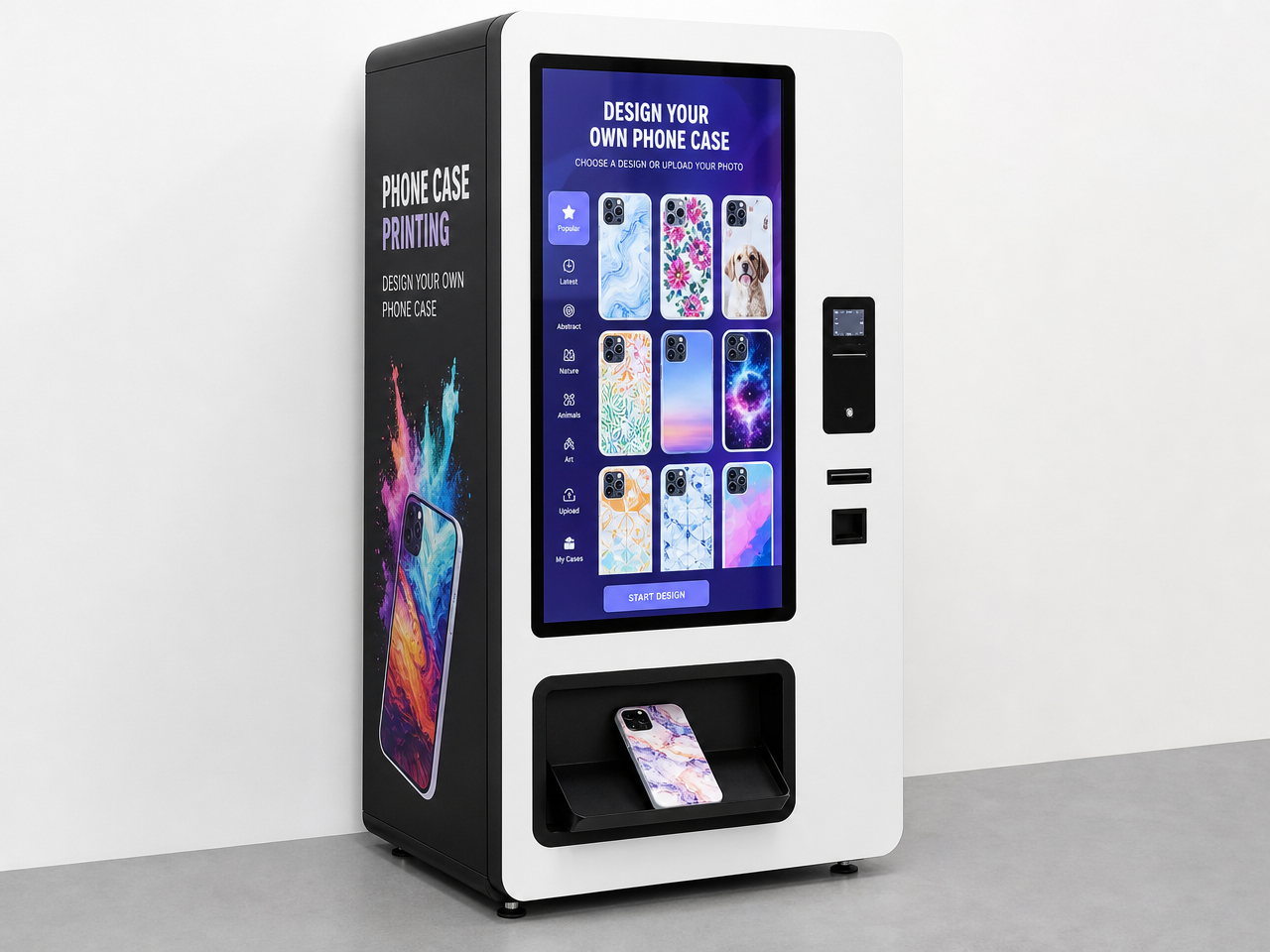
- Electronics and accessories
- Customized products
- Beauty and personal care items
- Fresh food and beverages
- Frozen desserts and specialty drinks
This diversification allows operators to target different demographics and purchasing behaviors within the same city.
Data-Driven Retail in Real Time
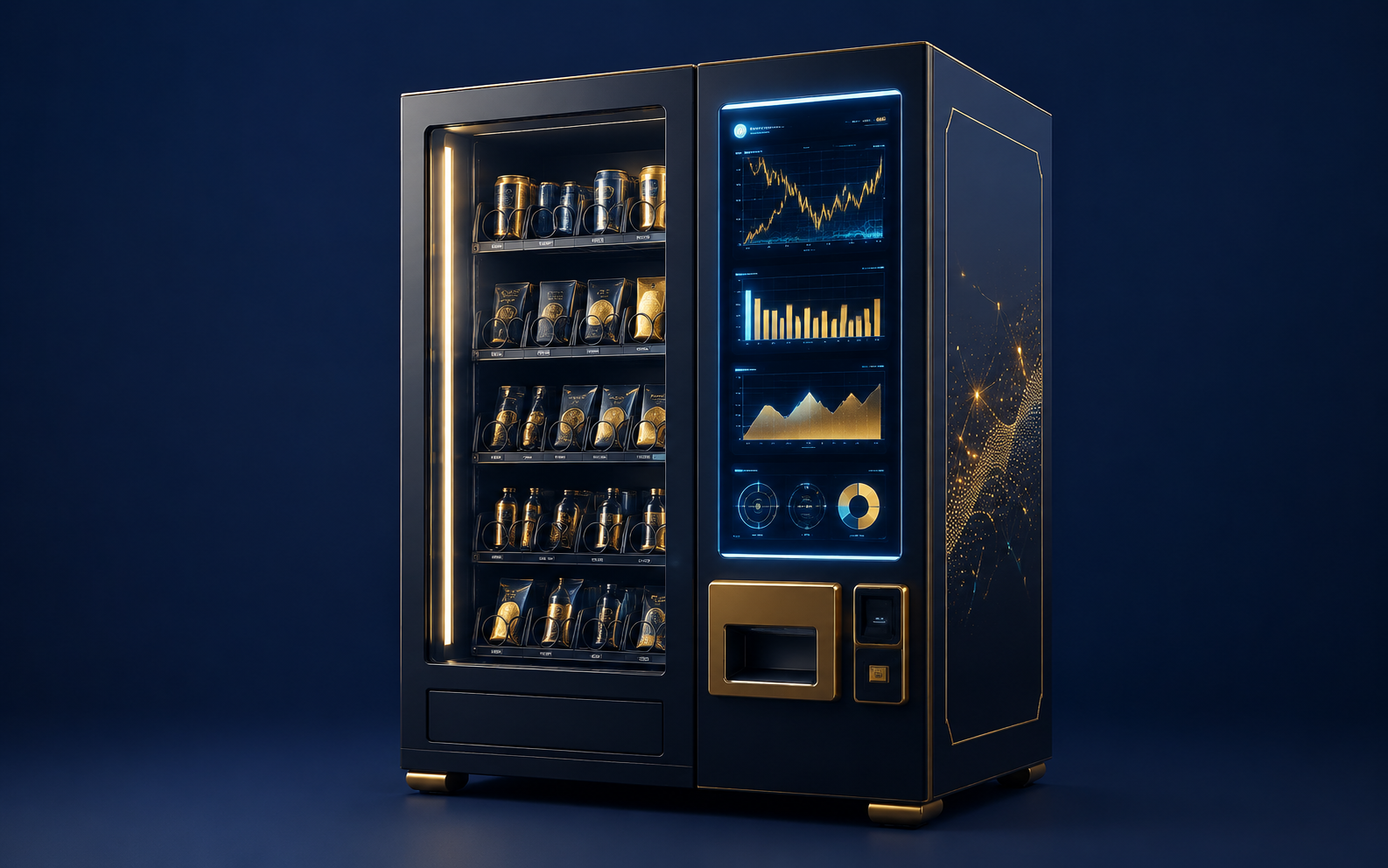
Smart vending machines generate valuable data that traditional retail often struggles to capture efficiently.
Operators can track:
- Best-selling products
- Peak usage times
- Location performance
- Consumer preferences
This data enables rapid decision-making, such as adjusting product assortments or relocating machines to more profitable spots.
In urban environments where competition is intense, data-driven optimization becomes a decisive advantage.
Property Owners and Developers Embrace Smart Vending
Urban property owners are increasingly supportive of smart vending machines. For them, vending machines represent:
- Additional revenue streams
- Minimal operational involvement
- Enhanced tenant and visitor experience
In many cases, smart vending machines are integrated into building design from the planning stage, especially in modern commercial and mixed-use developments.
Challenges to Consider
While smart vending machines offer clear advantages, they are not without challenges.
Initial Equipment Investment
Smart machines require higher upfront investment than basic vending units. Operators must carefully evaluate location potential and product strategy to ensure a healthy return.
Maintenance and Reliability
Urban consumers have high expectations. Any malfunction can quickly result in lost trust. Reliable hardware and proactive maintenance are essential.
Product-Location Fit
Not every product performs well in every urban location. Successful operators continuously test and refine their offerings based on real-world data.
The Bigger Picture: A Shift in Urban Retail Strategy
The rise of smart vending machines reflects a broader shift in how cities approach retail. Instead of relying solely on fixed storefronts, urban commerce is becoming more flexible, modular, and data-driven.
Smart vending machines fit naturally into this new model:
- They scale easily
- Adapt quickly
- Serve modern consumer habits
Rather than competing directly with traditional retail, they are redefining what retail looks like in urban spaces.
Conclusion: Smart Vending as the Future of Urban Retail
In 2025, smart vending machines are no longer an experimental concept—they are a proven urban retail solution. Their ability to operate efficiently in high-cost environments, meet modern consumer expectations, and generate actionable data makes them increasingly attractive across global cities.
As urban retail continues to evolve, smart vending machines are positioned not just as an alternative, but as a foundational component of the next-generation retail ecosystem.