Skip to content
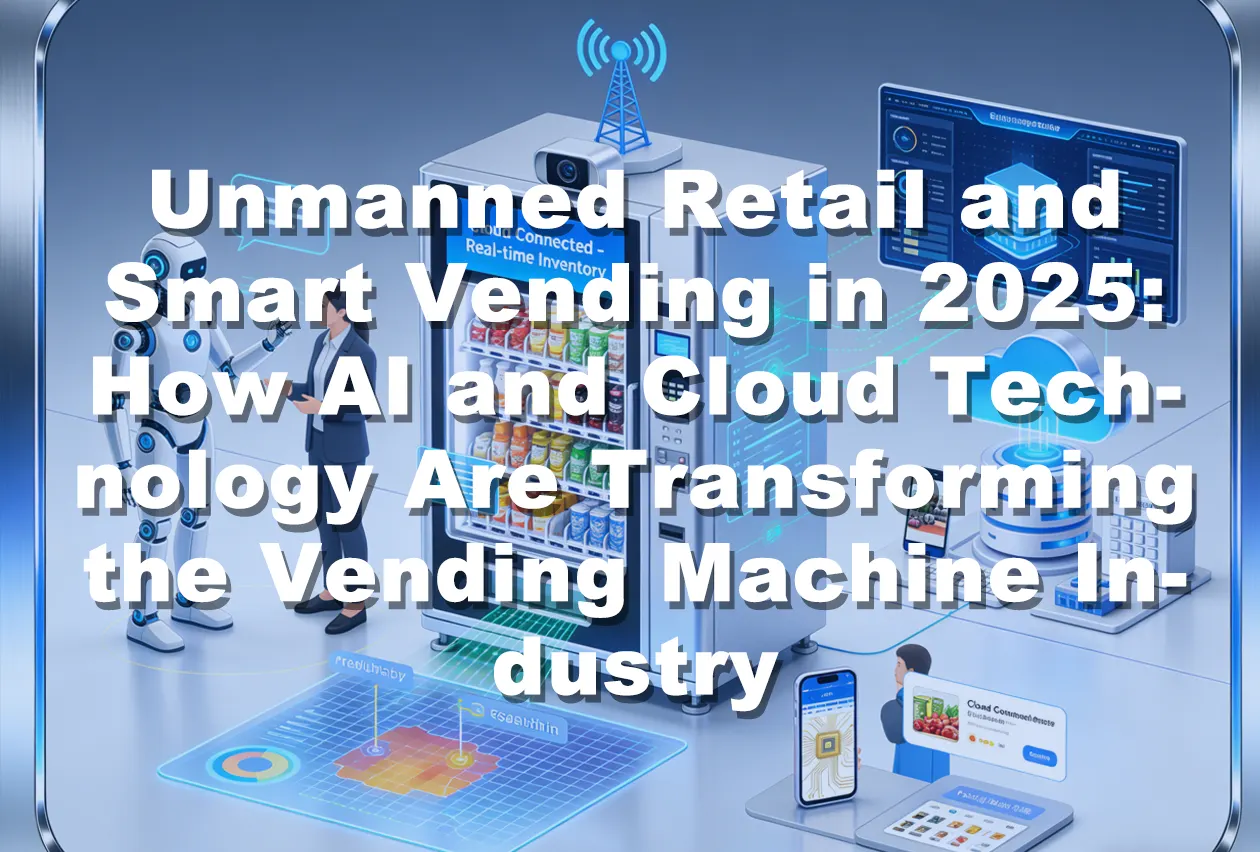
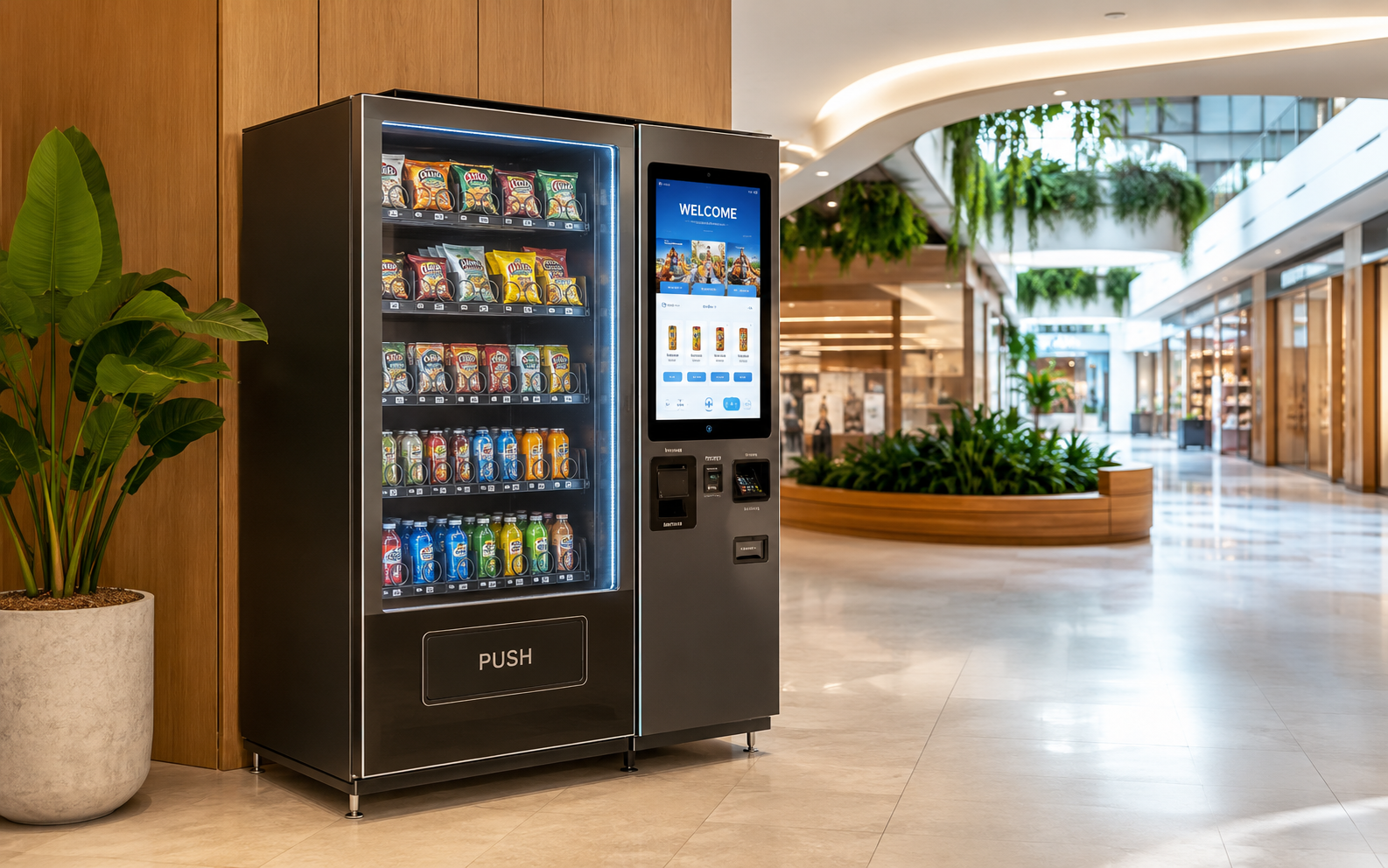
The vending machine industry is entering a new era—one defined by unmanned retail, artificial intelligence, and cloud-based management systems. In 2025, vending machines are no longer isolated devices that simply dispense products. They are becoming intelligent retail nodes within a connected digital ecosystem.
As labor costs rise and consumer expectations evolve, businesses around the world are accelerating the shift toward unmanned retail models. At the center of this transformation is smart vending technology powered by AI and cloud infrastructure.
This article explores how these technologies are reshaping the vending machine industry and what it means for operators, investors, and retailers.
The Rise of Unmanned Retail as a Global Trend
Unmanned retail has moved from experimental concept to mainstream solution. Across airports, shopping malls, office buildings, and urban centers, vending machines and self-service kiosks are increasingly replacing traditional staffed retail.
Several factors are driving this shift:
- Labor shortages and rising wages
- Demand for 24/7 availability
- Consumer preference for fast, contactless transactions
- Advances in automation and digital payments
Vending machines provide an ideal foundation for unmanned retail because they combine automation with scalability.
AI Brings Intelligence to Vending Machines
Smarter User Interaction
Artificial intelligence enhances how consumers interact with vending machines. AI-driven interfaces can adapt based on user behavior, offering:
- Intelligent product recommendations
- Personalized content and promotions
- Faster navigation through options
These capabilities make vending machines feel more like digital storefronts than mechanical devices.
Predictive Maintenance and Reliability
One of the most impactful uses of AI in vending is predictive maintenance.
By analyzing machine data, AI systems can:
- Detect abnormal behavior
- Predict component failures
- Schedule maintenance before breakdowns occur
This reduces downtime, lowers repair costs, and improves customer satisfaction.
Cloud Technology Enables Centralized Control and Scalability
Remote Monitoring and Management
Cloud-based vending platforms allow operators to monitor machines in real time, regardless of location.
Key benefits include:
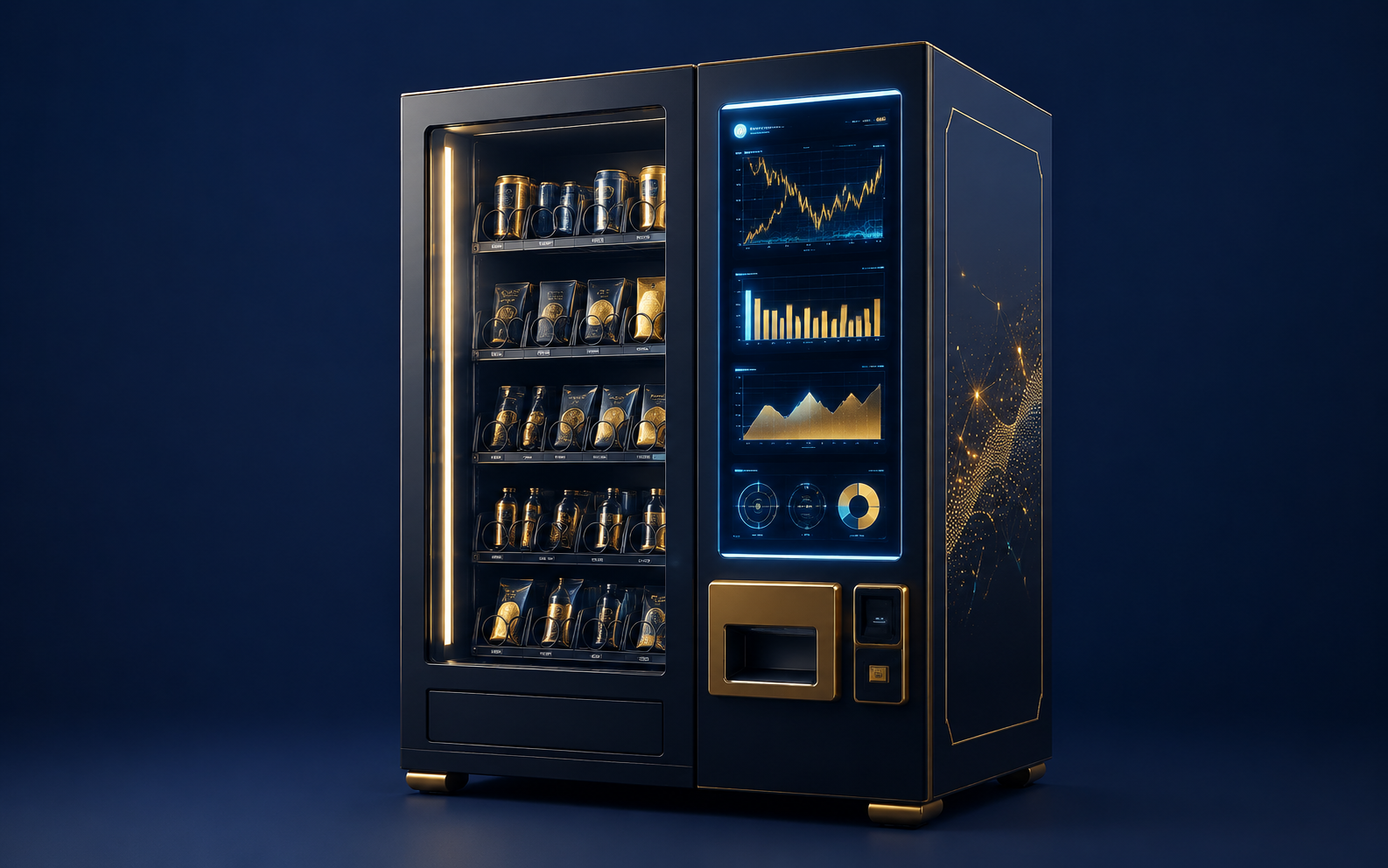
- Centralized performance dashboards
- Instant alerts for errors or low inventory
- Remote configuration and updates
This level of visibility dramatically improves operational efficiency, especially for multi-location deployments.
Data-Driven Decision Making
Cloud systems collect and process large volumes of vending data, transforming raw information into actionable insights.
Operators can analyze:
- Sales trends by location
- Product performance
- Customer behavior patterns
- Seasonal demand fluctuations
With this data, businesses can optimize pricing, product selection, and restocking schedules.
How Smart Vending Improves the Business Model
Lower Operating Costs
Unmanned vending significantly reduces labor expenses while maintaining consistent service quality.
AI and cloud technology further enhance cost efficiency by:
- Minimizing manual checks
- Reducing machine downtime
- Improving inventory accuracy
This makes vending operations more predictable and profitable.
Faster Expansion and Deployment
Smart vending systems are designed for scalability. Once a cloud-based infrastructure is in place, adding new machines becomes faster and easier.
Operators can:
- Deploy machines across new locations
- Manage them through a single platform
- Maintain consistent user experiences
This scalability supports rapid market expansion with controlled risk.
Consumer Experience in AI-Powered Vending
Convenience and Speed
AI-powered vending machines deliver what modern consumers value most: speed and convenience.
Features such as:
- Intuitive touchscreen interfaces
- Quick cashless payments
- Clear product information
help reduce friction and encourage repeat usage.
Trust and Reliability
Consistency builds trust. When vending machines work reliably and offer smooth interactions, consumers feel confident using them regularly.
AI-driven monitoring ensures machines remain functional and stocked, reinforcing positive user experiences.
Integration with Broader Retail Ecosystems
Modern vending machines are increasingly integrated into larger retail and smart city ecosystems.
They can connect with:
- Digital payment platforms
- Loyalty and membership systems
- Retail analytics tools
- Smart infrastructure networks
This integration transforms vending machines into active participants in omnichannel retail strategies.
Challenges of AI and Cloud Adoption in Vending
While the benefits are clear, adopting AI and cloud technology also presents challenges.
Operators must consider:
- Initial system setup and integration
- Data security and privacy compliance
- Reliable network connectivity
- Training for technical management
Addressing these challenges requires selecting mature, scalable technology solutions and experienced partners.
What the Future Holds for Unmanned Retail and Vending
Looking ahead, AI and cloud technology will continue to push vending machines toward greater intelligence and autonomy.
Future developments may include:
- Advanced AI-driven personalization
- Automated demand forecasting
- Deeper integration with mobile platforms
- Fully autonomous retail micro-stores
As these technologies mature, vending machines will play an even larger role in the global retail landscape.
Conclusion: Smart Vending as the Backbone of Unmanned Retail
In 2025, the vending machine industry stands at the intersection of automation, AI, and cloud computing. Unmanned retail is no longer a niche concept—it is a practical, scalable solution for modern commerce.
Businesses that embrace smart vending technology today will be better positioned to adapt, expand, and compete in the future of retail.